The Dark Side of Political Messaging: Manipulation and Deception 😈🗳️
Hi there, fellow 🇺🇸 citizens and politically-engaged individuals. Have you ever received a political advertisement or message that made you feel uneasy? Or made you question the authenticity of the information provided? If so, you’re not alone. Political messaging is notorious for its dark side of manipulation and deception.
In this blog, let’s explore the complexities of political messaging and how it can be used to manipulate and deceive people. 💭
The Power of Persuasion 💪
As humans, we are wired to trust those we believe are credible and have our best interests at heart. In politics, persuasive messaging can take advantage of this trust in order to sway opinions and actions towards a particular political agenda. From social media posts to political ads, politicians and their supporters use a variety of techniques to appeal to voters.
Some of these techniques include using emotional appeals, such as a story of hardship or success, to create a connection with voters. Others use slogans, symbols, and even subliminal messaging in their campaigns. While there is nothing inherently wrong with using these techniques, they can easily cross over into deception and manipulation when used intentionally to deceive voters. 🧐
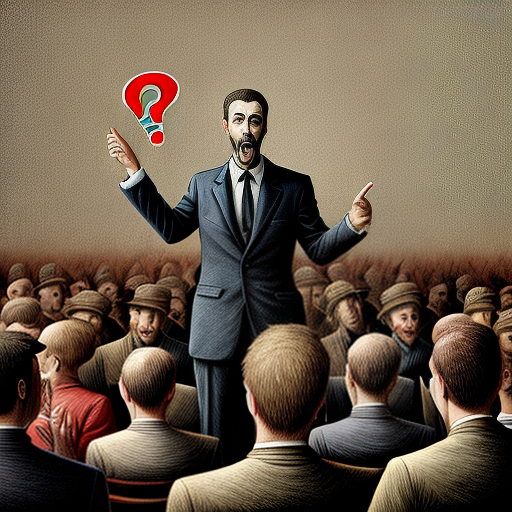
Fake News and Misinformation 🗞️🚫
The rise of social media has made spreading fake news and misinformation much easier than ever before. Political actors use fake accounts and websites to spread false information about their opponents with the intention of damaging their credibility. These campaigns can be incredibly sophisticated, using professional-looking websites and videos to create the illusion of legitimacy.
It is crucial for voters to be vigilant and informed when consuming news and information, especially during election seasons. Double-check the sources of the information and verify the facts. Don’t take everything you see at face value. 🔍
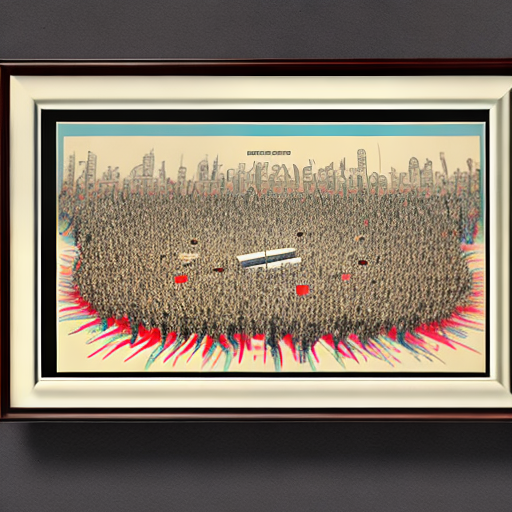
Microtargeting and Personal Data ⚠️📊
With more information about individuals available than ever before, political campaigns can use microtargeting to craft personalized messages that resonate with individual voters. While this can be used for positive reasons, such as targeting messages to people most affected by a particular policy, it can be used to manipulate opinions as well.
By gathering data about individuals, political campaigns can craft messages that appeal to their values, emotions, and fears. This can create a “filter bubble,” in which voters only receive news and information that reinforces their existing beliefs and opinions, leading to polarization and tribalism.
It is important for individuals to be aware of how their personal data is being used and to take steps to protect it. Additionally, it is important to be open-minded and consider diverse perspectives and opinions. 🤔

Conclusion 🎉
In conclusion, political messaging has the power to shape opinions and actions, but it can also be used to manipulate and deceive voters. By being informed and vigilant, we can protect ourselves from those who seek to take advantage of us.
Remember to double-check information, verify sources, and take control of your personal data. Being a responsible and informed citizen is crucial to maintaining a healthy democracy. 🗳️🇺🇸
