🦏🐘🐅 Success Stories of Endangered Species Recovery and Conservation Efforts 🌿🌍
Hello, lovely readers! Welcome to today’s blog post about the incredible success stories of endangered species recovery and conservation efforts. As our planet undergoes an environmental and ecological crisis, it’s essential to acknowledge the success stories that inspire us to continue working towards a better future for all species on Earth.
In this post, I will share some of the incredible work that has been done to save endangered species from extinction and restore their populations. These stories include the recovery of the black rhinoceros, the Siberian tiger, and the Asian elephant.
Black Rhinoceros Conservation Efforts
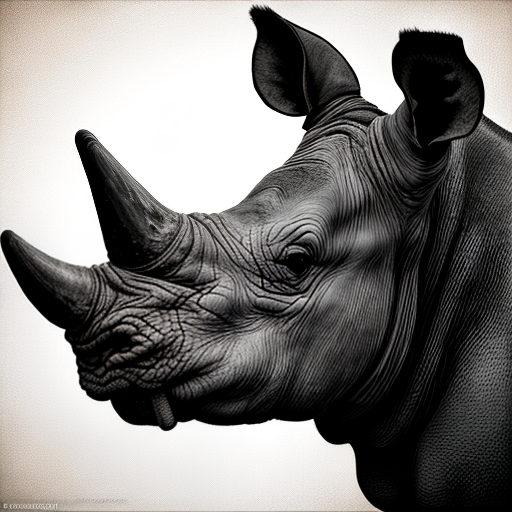
The black rhinoceros was once on the brink of extinction due to excessive poaching for their horns. In the 1970s, their population dipped to only 2,400 individuals. But thanks to the conservation efforts, the black rhino population has been on the rise.
Some of the initiatives that were implemented to save these majestic animals include community-based conservation programs, translocation of rhinos to safer areas, law enforcement, and anti-poaching measures. Additionally, there has been an increase in awareness campaigns, education, and engagement among local communities to help protect the rhinos.
As of 2021, there are approximately 5,500 black rhinos in the wild, and their population is rising as a result of conservation efforts.
Siberian Tiger Recovery
The Siberian tiger, also known as the Amur tiger, is the largest cat in the world and was once nearly extinct due to habitat destruction and poaching. In the 1940s, only about 40 of these majestic creatures were left in the wild.
Thanks to concerted conservation efforts from multiple organizations, the population of Siberian tigers has risen to over 500 in the wild today. These efforts include habitat restoration, anti-poaching initiatives, and cross-border cooperation between Russia and China.
It’s critical now that conservation efforts continue to expand to create ecological corridors to connect habitats for Siberian tigers. This will help prevent the isolation of populations, which can lead to inbreeding and reduce genetic diversity, ultimately putting the long-term survival of these big cats at risk.

Asian Elephant Conservation
The Asian elephant population has severely declined due to habitat destruction, poaching, and human-wildlife conflict. Today, only 40,000-50,000 of these beautiful creatures remain in the wild.
However, there have been numerous successful conservation programs aimed at protecting and increasing the population of Asian elephants. These efforts include habitat restoration, creating safe corridors, and engaging with local communities to promote conservation and decrease human-elephant interactions. Additionally, organizations have worked to protect elephant populations from poaching and illegal trade of elephant ivory, which has contributed to the decline in the elephant population.
Moreover, the implementation of sustainable tourism initiatives has provided financial benefits for local communities while promoting the protection of elephant populations.

Conclusion
The success stories of endangered species recovery and conservation efforts provide hope for our planet’s future. By highlighting the stories of species that have been successful in their conservation, we can inspire others to take action, protect our ecosystems, and work towards maintaining a healthy environment for all.
Remember, every action counts in preserving the rich biodiversity of our planet. Let’s continue to celebrate these victories and use them as a stepping stone towards a better future for all species on Earth.
💚Let’s work together for a better tomorrow!💚
