📚 The Influence of Myths on Literature and Pop Culture
Hello there! 🙌 I’m excited to talk to you about the fascinating intersection between myths, literature, and pop culture. Mythology has been influencing stories and culture for centuries, and we can see its impact in everything from ancient Greek epics to modern-day superhero movies. In this blog, we’ll explore the various ways myths have shaped and continue to shape the world around us. So, grab a cup of coffee ☕ and let’s delve into the world of myths!
🏛️ Myths in Literature: From The Iliad to Percy Jackson
Myths have been a crucial part of literature for centuries. From ancient Greek epics like The Iliad and The Odyssey to Beowulf and Arthurian legends, myths have provided writers with a vast source of inspiration. Even some of Shakespeare’s works have mythological references woven into them. But why have myths remained such a popular literary theme throughout history?
For one, myths are full of drama, heroism, and tragedy. They have all the ingredients of a great story. Many myths are also allegorical, making them perfect for exploring complex themes and ideas. And since myths have been passed down through generations, they have a timeless quality that makes them resonate with readers even today.
One modern example of how myths have influenced literature is the Percy Jackson series, which takes Greek mythology and puts a modern spin on it. The series has been a hit among young readers and has even sparked an interest in mythology among a new generation.
🎥 Myths in Pop Culture: Superheroes and Enchanted Worlds
Myths have also played a significant role in pop culture, from comic book superheroes to Disney movies. Superheroes like Thor and Wonder Woman are, in essence, modern-day gods and goddesses. They have the same heroic qualities as the mythical figures of ancient cultures.
Myths have also inspired entire fantasy worlds like J.R.R. Tolkien’s Middle Earth and George R.R. Martin’s Westeros. These worlds are full of mythical creatures like dragons and unicorns and are steeped in complex mythologies.
Myths have even influenced music and fashion. For example, Lady Gaga’s “Born This Way” music video contains nods to Greek mythology, and fashion designer Alexander McQueen incorporated elements of Irish mythology into his fashion designs.

🔀 Myths in Everyday Language: Phrases and Idioms
Myths have a significant influence on everyday language. We often use phrases and idioms that have mythological origins without even realizing it. For example, the phrase “Pandora’s Box” refers to a source of endless trouble or complications. It comes from the myth of Pandora, who was given a box containing all of the world’s evils. When she opened it, she released these evils into the world.
Another example is the phrase “Achilles’ heel,” which refers to someone’s weakness. It comes from the myth of Achilles, a Greek hero who was invulnerable except for the heel by which his mother held him. He was eventually killed when an arrow struck him in the heel.
These myths have become so ingrained in our culture that we often use them without realizing their origins.

🌟 Myths in Advertising and Marketing
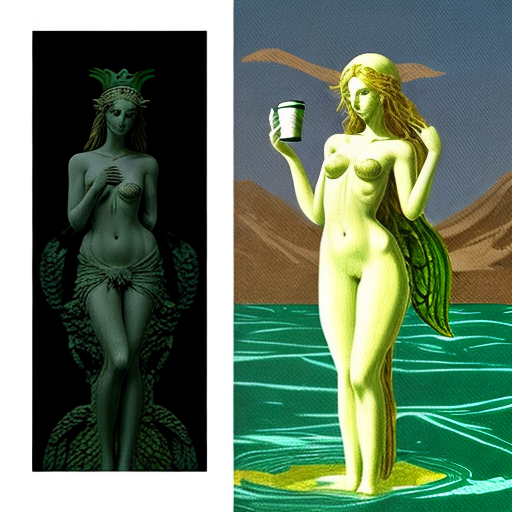
Finally, myths have also been used in advertising and marketing. Many companies use mythical figures as brand mascots or in their advertising campaigns. The Starbucks logo, for example, features a twin-tailed mermaid known as a siren. This is a nod to the mythological creature that lured sailors to their deaths with their beautiful voices.
Companies also use mythological themes in their advertising campaigns. For example, an Apple commercial once used the story of Robin Hood to promote a new product.
Myths have also become a popular theme in video games. Games like God of War and Assassin’s Creed are based on mythology and have been hugely popular among gamers.
📝 Conclusion
Myths have played a significant role in shaping literature, pop culture, and everyday language. They have captivated audiences for centuries with their tales of heroism, tragedy, and adventure. And despite the many changes in our culture over the years, myths continue to influence and inspire us today.
I hope this blog has given you a better understanding of the role that myths play in our world today. If you’re interested in learning more about myths, there are plenty of books and resources out there. Who knows? You might just get inspired to write the next great mythological tale. Thank you for reading! 🤗
