Breaking Down Bankruptcy: Understanding the Process and Your Options 👀
Hey there, it’s me again! Today let’s dive into a topic that many people may find a bit confusing: bankruptcy. 🤔 It’s not a pleasant topic to discuss, but it’s good to be prepared and informed about it.
What is Bankruptcy? 💰
In simple terms, bankruptcy is a legal process that offers individuals and businesses relief from debt that they cannot reasonably pay back. It’s a way to start fresh financially and move on from debt that may be dragging you down.
However, it’s not a walk in the park either. 🚶♀️ There are serious consequences that come with filing for bankruptcy, including damage to one’s credit score and limitations of credit options in the future. That’s why it’s important to fully understand what it means to file for bankruptcy.

Types of Bankruptcy 💳
There are different types of bankruptcy filings, and the right one for you will depend on your specific financial situation. Here are the most common types:
Chapter 7
Chapter 7 is the most popular type of bankruptcy in the US. It involves liquidating assets to pay off as much debt as possible and having the majority of the remaining eligible debt discharged. It can be a good option for individuals or businesses who do not have the means to pay back their debt and want a fresh start.
Chapter 11
Chapter 11 is generally used by larger businesses, as it is more complex and expensive than other options. Essentially, it allows for reorganization of debts and ongoing operations. The business remains open while it works to pay off its debts.
Chapter 13
Chapter 13 is a great option for those who are able to pay off some of their debts over a period of time. It involves a payment plan that is reviewed and approved by a judge. The individual makes payments over the course of three to five years, and the remaining balance is discharged.

Ahead or Behind? 🕰️
Deciding whether or not to file for bankruptcy can be a difficult decision. It often comes down to how far behind you are on your payments. If you’ve fallen behind but haven’t completely given up on getting caught up, other options may be better, like debt settlement or credit counseling. If you are so far behind that you cannot catch up, bankruptcy may be the only option left.
It’s best to speak with a bankruptcy attorney to discuss the specifics of your financial situation. They can offer insights about what your best options might be.
What Does the Future Look Like? 🔮
Filing for bankruptcy has some serious long-term impacts to consider. A bankruptcy can be listed on a person’s credit report for up to 10 years, making it difficult to qualify for new lines of credit such as loans or credit cards.
However, the impact to a person’s credit score and future access to credit will depend on the specific type of bankruptcy and the individual’s financial situation. In some cases, filing for bankruptcy can actually be a stepping stone to rebuilding your credit. 📈
Conclusion 🤗
Well, that’s it folks. I hope you have a better understanding of bankruptcy and what it means for your financial future. It’s important to weigh all options and work to stay ahead of debt if at all possible. But always remember, if you do find yourself in a situation where bankruptcy is your best option, it is not the end of the world – it is simply a new beginning. 💪

📷 Image Description
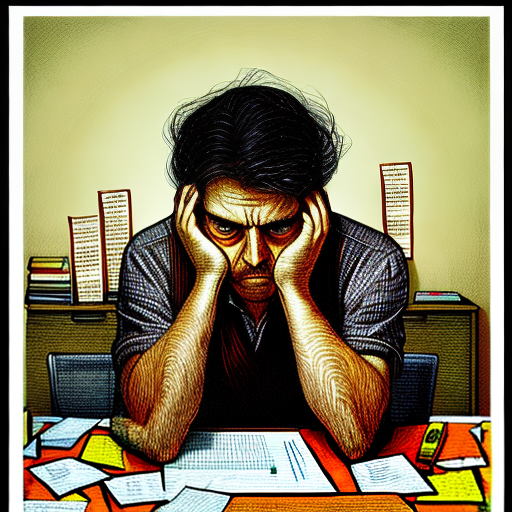
📷 Image Description of the Entire Blog
