🔥The Importance of Emergency Funds in Balancing Debt and Savings🔥
As we go through life, it’s not always an easy task to balance our finances and manage debt while saving for our future. Unexpected events, such as job loss, medical emergencies, or car repairs can shake us up financially and put us in a tight spot. That’s where having an emergency fund comes in handy. An emergency fund is an essential tool for financial stability and peace of mind.
🚨What is an Emergency Fund?🚨
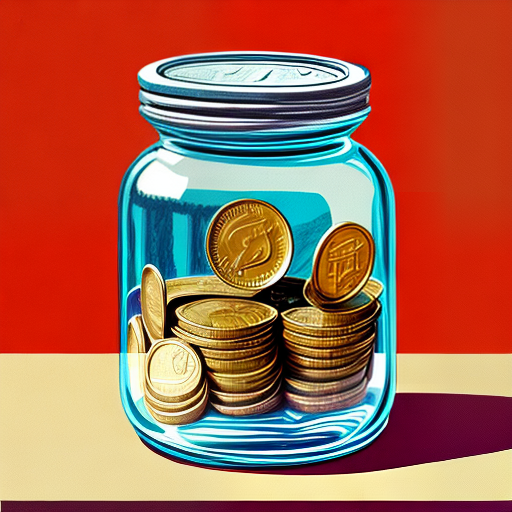
An emergency fund is a type of savings account where you put aside a certain amount of money for unexpected expenses. It’s a financial cushion that you can rely on when you need to pay for unexpected events such as job loss, medical expenses, or car repairs. An emergency fund is your safety net when unplanned expenses arise.
An emergency fund should be easily accessible, so it’s better to save your emergency fund in a checking or savings account rather than in stocks or mutual funds. Ideally, your emergency fund should contain enough money to cover at least three to six months of essential expenses.

💸Why do you Need an Emergency Fund?💸
-
To protect against unexpected expenses: Life is full of surprises, and unexpected events can happen when you least expect them to. An emergency fund ensures that you have money set aside for when these unexpected events happen.
-
To avoid high-interest debt: If you don’t have an emergency fund and you need to pay for an unexpected expense, you may turn to credit cards or other high-interest debt. This can create a cycle of debt that can be hard to get out of, causing financial stress and anxiety.
-
To create a peace of mind: Having an emergency fund can help you sleep better at night. When you have an emergency fund, you know you have a financial cushion that can protect you from unexpected events and help you feel more financially secure.

🏦How to Build an Emergency Fund?🏦
Building an emergency fund takes time, patience, and discipline. Here are some tips to help you build your emergency fund:
-
Create a budget: A budget is an essential tool for managing your money. It helps you understand your income and expenses and identify areas where you can cut back. Your emergency fund should be one of your budget categories.
-
Start small: If you’re new to saving, start small. Even saving $10 each week can add up. Set a goal for yourself and work towards it, but don’t get discouraged if it takes longer than you expected.
-
Make it automatic: Consider setting up an automatic transfer from your checking account to your emergency fund savings account each month. This way, you won’t be tempted to spend the money on other things.
-
Use windfalls: Whenever you receive a bonus, tax refund, or any other windfall, consider putting a portion of it towards your emergency fund.
🤔What are the Alternatives to an Emergency Fund?🤔
While an emergency fund is the best option for unexpected expenses, there are other alternatives you can consider:
-
Personal line of credit: If you have a good credit score, you may be able to access a personal line of credit. This option can provide you with quick access to funds when you need them.
-
Home equity line of credit: If you own a home, you may be able to access a home equity line of credit (HELOC). A HELOC is a revolving line of credit that’s secured by your home, and it usually has a lower interest rate than other types of credit.
-
Credit cards: While we don’t recommend using credit cards as a first option, they can be a last resort for unexpected expenses. However, be aware that high-interest rates can make it challenging to pay off the debt.

💰Final Thoughts💰
An emergency fund is a crucial financial tool that can provide you with peace of mind and financial stability. While having an emergency fund may take time and discipline to build, it’s a worth-while investment. Start small, be patient, and consider making saving automatic to help you build your emergency fund over time.
Remember, the best time to start building an emergency fund is now. Don’t let an unexpected emergency shake you up financially. Be prepared and create a financial cushion with an emergency fund.
