From Waste to Energy: The Future of Renewable Energy from Trash 👋
Hello there! I’m excited to talk to you about how waste can be turned into energy. Did you know that we can convert trash into renewable energy? This innovative technology is an excellent way to save the planet from harmful waste. Let’s dive in and discover how waste can become a sustainable energy source.
What is waste to energy? ♻️
Waste to energy (WTE), also known as energy from waste (EfW), is an innovative process of converting the waste into heat and electricity. WTE plants typically burn municipal solid waste (MSW) or organic material, such as biodegradable waste. The heat generated by the process is used to run turbines and generators, producing electricity. WTE technology is a sustainable and environmentally friendly way to manage waste while generating energy.
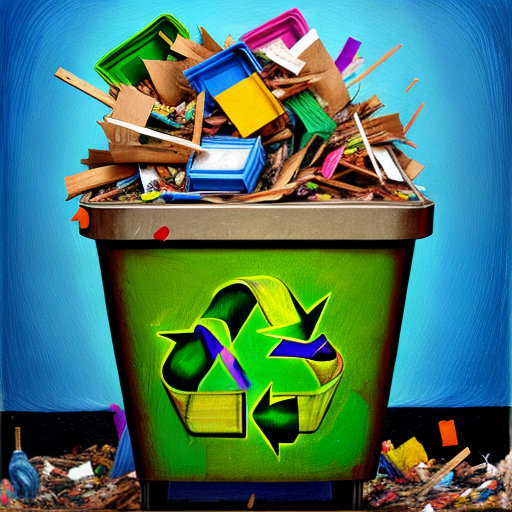
Advantages of waste to energy ♻️
Several advantages come with using waste to produce energy, including:
- Reducing waste in landfills. Waste to energy plants can process millions of tons of waste per year, reducing the amount of trash going to landfills.
- Sustainable energy source. WTE provides a continuous and reliable source of renewable energy that can be an alternative to fossil fuels.
- Reducing GHG emissions. WTE plants reduce greenhouse gas (GHG) emissions by diverting waste from landfills, preventing the production of methane and other GHGs.
- Localized energy. WTE plants can be built close to where the waste is generated, reducing the transportation time and cost of waste disposal.
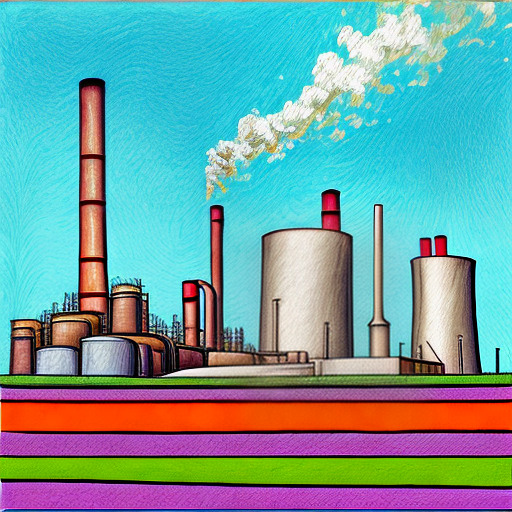
Waste to energy technology 🚀
WTE technology involves several processes, including:
- Incineration. The waste is burned in a furnace, generating heat.
- Heat recovery. The heat generated by the incineration process is used to produce steam, which runs turbines and generators.
- Flue gas treatment. The flue gases are treated to reduce emissions before they are released into the atmosphere.
- Electricity Production. The turbines and generators produce electricity that can be used to power homes and businesses.
WTE technology is continuously evolving to be more efficient, safer, and eco-friendlier.
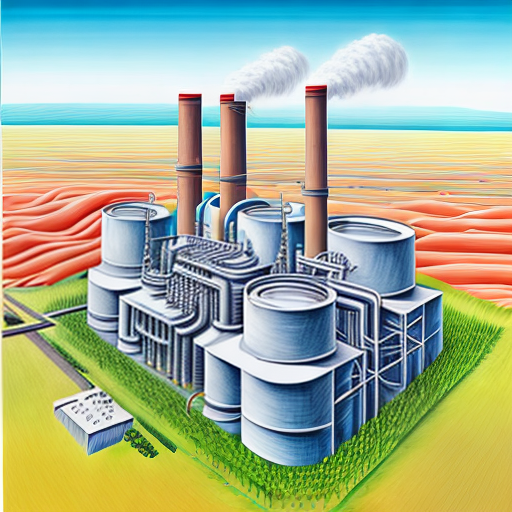
Challenges and concerns 🤔
While WTE technology provides a sustainable waste management option, it also faces several practical challenges and concerns, including:
- Cost. WTE plants require substantial capital investment, which can make them expensive to build and operate.
- Emissions. Even though WTE is more eco-friendly than landfills, it still releases pollutants into the atmosphere. Emission control technologies, such as scrubbers and filters, can help reduce air pollution.
- Waste sorting. WTE plants require waste to be pre-sorted to remove hazardous materials, which can pose a challenge for waste management.
Understanding these challenges is essential to ensure effective and efficient implementation of WTE technology
Conclusion 🎉
Waste to energy technology provides a promising solution to the global waste crisis. The process of turning trash into energy is an innovative way to reduce waste while producing a renewable energy source. With the right investment and development, WTE can have a significant impact on our environment and help reduce harmful waste. If you wish to contribute to the world’s sustainability, WTE is an excellent way to start.

Thanks for reading, and I hope you learned something new today. Till we meet again, 🖖 live long and prosper!