The Social Significance of Traditional Dance: A Journey Through History 👯♀️
As humans, we have an innate desire to express ourselves and connect with others. One of the most common ways we do this is through dance. Traditional dance in particular carries immense cultural significance and serves as a means of preserving history, promoting community, and strengthening social ties.
In this blog, we’ll take a journey through the history of traditional dance and explore the social significance behind it. 🌍
The Origins of Traditional Dance 🌺
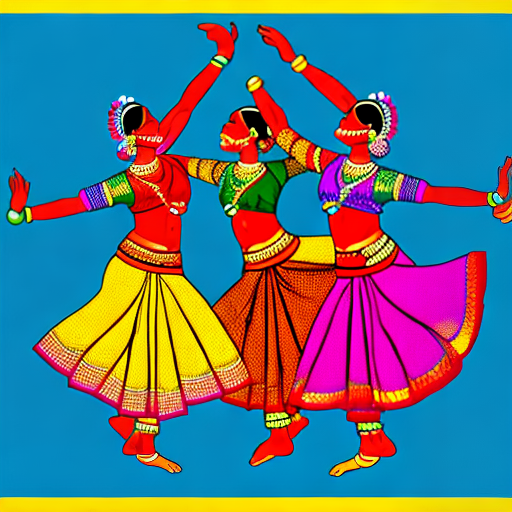
Traditional dance has been a part of human culture for thousands of years and can be traced back to ancient civilizations. From the Egyptian belly dance to the Indian Kathak, these dances were used to express religious rituals, celebrations, and social gatherings.
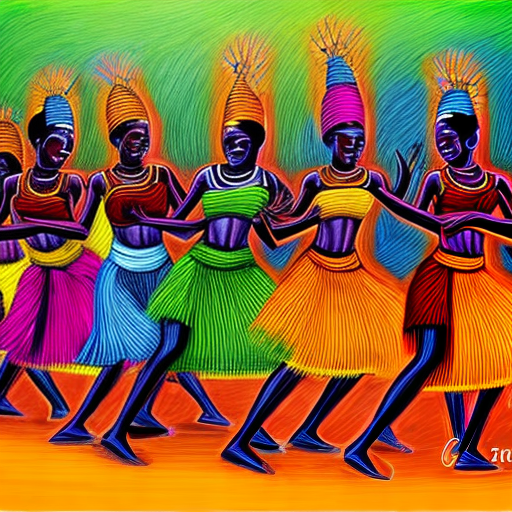
Fast forward to the African continent and traditional dances like the Bantu dance, the Zulu dance, and the Gumboot dance were used as a form of storytelling to communicate history and pass down traditions from one generation to the next.
Each culture has its own unique set of traditional dances, and they all hold great importance. But regardless of the specific dance, traditional dance has always served as a means of connecting people to their cultural heritage. 💃
The Importance of Traditional Dance in Modern Society 👥
As society has evolved, traditional dance has taken on new meanings and purposes. In many cultures, traditional dances are still performed at weddings, funerals, and other social events to bring people together and promote community. Traditional dances can also serve as a platform for political and social movements.
For example, in India, the Bhangra dance has been used as a form of protest against political corruption and injustice. In South Africa, the Gumboot dance was used as a means of communication and expression during the apartheid era.
Through traditional dance, people are able to celebrate their culture, connect with their heritage and build relationships with others. Traditional dance is a testament to the resilience and strength of human spirit, a reminder that our heritage and traditions are still very much alive. 🌟
The Role of Traditional Dance in Education 📚
Traditional dance can also play a significant role in education. It can provide a means of teaching young people about their culture’s history and traditions, while also instilling important values such as discipline, teamwork, and respect.
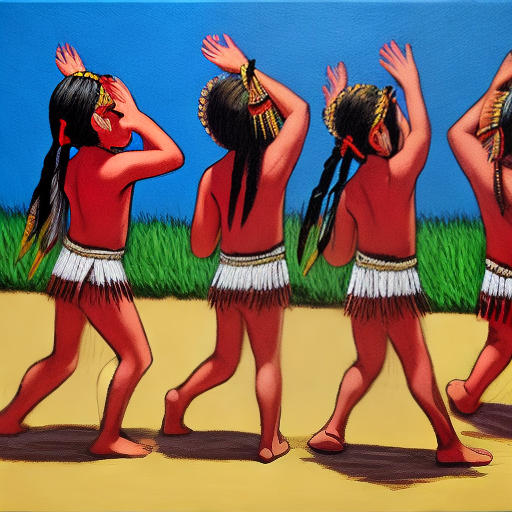
In Native American cultures, for instance, traditional dances like the Hoop Dance and the Eagle Dance are used to teach children about their ancestors and the environment. Similarly, in African cultures, traditional dances like the Agbadza dance are used to teach children about communal living and respect for elders.
Incorporating traditional dance into education not only instills cultural pride and identity in young people, but also helps to preserve these important traditions for generations to come. 🎓
Conclusion 🎉
Traditional dance is not just a form of entertainment, but a means of preserving cultural heritage, promoting community, and educating young people. Its significance cannot be overstated, and it should be celebrated and respected as an important part of human culture.
So the next time you attend a traditional dance event, take a moment to appreciate the history and meaning behind it. Remember that you are not just watching a performance, you are witnessing a timeless tradition that has been passed down through generations. 👀
Image for Entire Blog:
