🎉 Parade Photography 101: How to Master Your Composition and Lighting 📷
Hey there, party people! Are you someone who loves attending parades and capturing those epic moments? If yes, then you are in the right place. Parade photography can be both challenging and fun, that’s why it’s essential to learn the necessary skills to master your composition and lighting. Don’t worry if you’re new to the game; we’ve got you covered. In this blog, we’ll be sharing Parade Photography 101 tips that will help take your parade photos to the next level! 🙌
🎨 Composition: How to Frame a Perfect Parade Shot
Composition is everything when it comes to photography. It determines how your photos will look and how your audience perceives them. Here are some essential parade photography composition rules:
Rule of Thirds
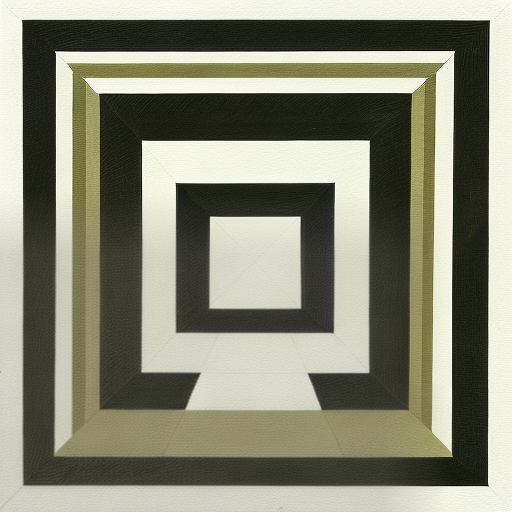
If you’re not familiar with the rule of thirds, it’s straightforward. Imagine, your frame is divided into three parts, both horizontally and vertically, creating nine equal boxes. Ideally, the subject of your photo should be placed where these lines intersect. This technique helps balance your photo and makes it more aesthetically pleasing.
Angle and Perspective
Don’t just take photos from a regular standing position. Experiment with different angles, change your perspectives, and use interesting foregrounds or backgrounds to create dynamic compositions. Taking shots from a low angle makes even the smallest floats look grand, while aerial views give your photos a unique perspective.
Leading Lines
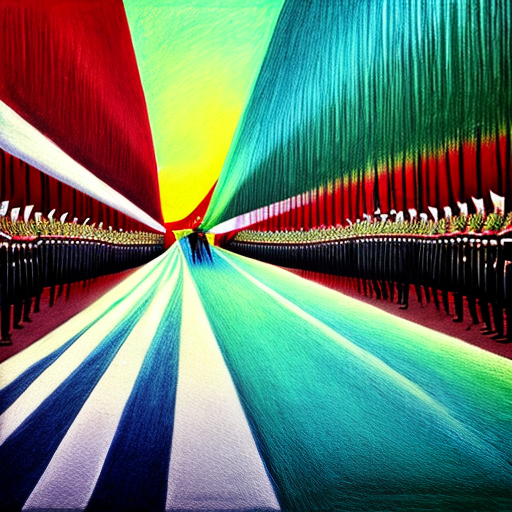
Leading lines act like roads that guide your viewer’s eyes towards your subject. In a parade setting, you can use anything from the street, buildings, or even lines in your subject’s costumes to create leading lines.
💡 Lighting: How to Use Light to Your Advantage
Lighting plays a crucial role in photography, and parade photography is no exception. Here are some tips to help you master lighting:
Time of Day
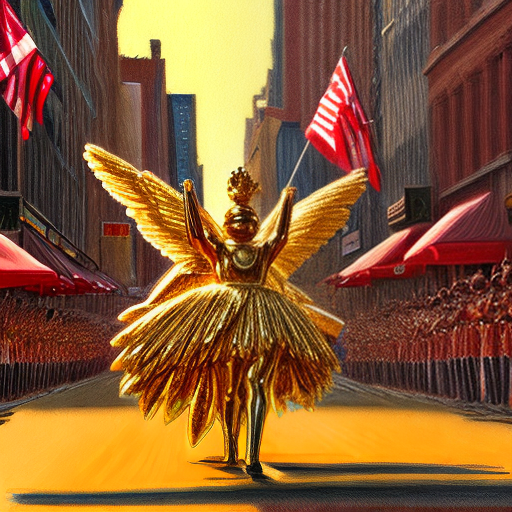
Lighting is a game-changer in photography, and the time of day can be the difference between a good and a great photo. The golden hours, sunrise and sunset, are ideal times for parade photography as they provide soft and warm light with long shadows. However, if you’re shooting during mid-day, the harsh sunlight can easily wash out your photos.
Exposure
Exposure refers to the amount of light that hits the camera’s sensor. When capturing parade photos, you want to adjust your exposure depending on the situation. If your subject is backlit, your camera might underexpose the photo, making it look dark. On the other hand, if your subject is in bright sunlight, your camera might overexpose the photo, making it look washed out.
Fill Flash
Using fill flash helps balance the harsh shadows and evenly illuminates your subject’s face. You can use an external flash or the built-in camera flash to achieve this. Don’t forget to adjust the flash output to match the available light.
📷 Final Thoughts
Parade photography can be both fun and challenging. Mastering composition and lighting are essential skills to help you capture those perfect parade shots. Remember to experiment with different angles, use leading lines to guide your viewer’s eyes, and take advantage of natural light. Lastly, don’t forget to have fun and enjoy the parade. Happy shooting! 🎉📸
