When Doggy Mischief Goes Too Far: How to Discipline Your Pup
🐶 Are you a proud dog owner, but struggling to control your pup’s mischievous behavior? Don’t worry, it happens to the best of us. Dogs are playful creatures, and sometimes their playfulness can turn into mischief. It’s essential to discipline your dog in a way that doesn’t harm them physically or emotionally. In this blog, I will be sharing some tips on how to discipline your pup when their behavior goes too far.
Understanding Your Dog’s Behavior
🐾 Before we get into how to discipline your dog, it’s essential to understand why they’re misbehaving in the first place. Dogs are social animals with their natural instincts, and sometimes their behavior can be a challenge to handle. Some factors that can contribute to your dog’s mischievous behavior are:
- Boredom
- Lack of exercise
- Anxiety or stress
- Lack of training
- Health issues
Understanding why your dog is misbehaving is the first step in correcting their behavior.
Positive Reinforcement
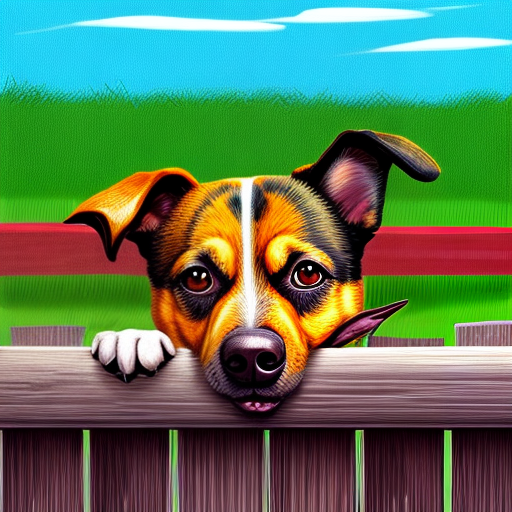
🐕 Positive reinforcement is a highly effective discipline technique that focuses on rewarding good behavior and ignoring bad behavior. You can encourage your dog’s good behavior by praising them verbally, giving them treats, and giving them attention when they do something right. However, it’s crucial to ensure that the reward is timely to reinforce their good behavior. Positive reinforcement can help reduce your dog’s mischievous behavior in the long run.
Redirecting Behavior
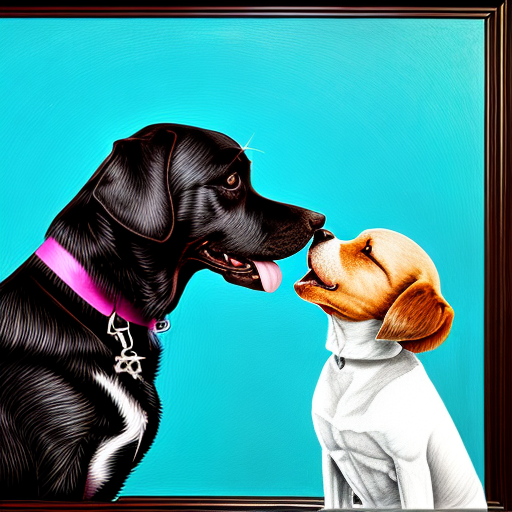
🦴 Sometimes, dogs can be stubborn and challenging to discipline. When your dog is misbehaving, it’s essential to redirect their behavior to something more appropriate. For example, if your dog is chewing on your shoes, redirect them by giving them a toy to chew on instead. Redirection can help prevent your dog from engaging in mischievous behavior.
Ignoring Bad Behavior
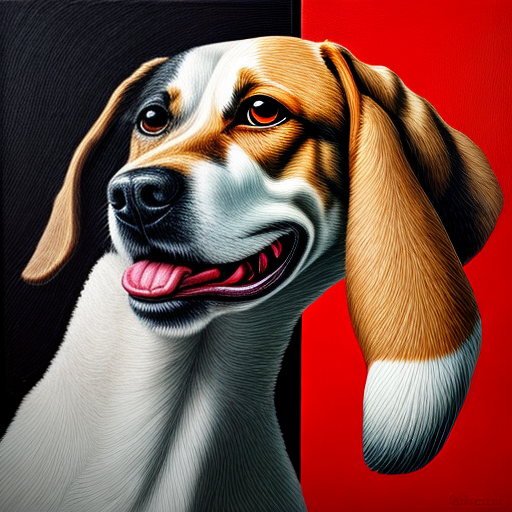
🤫 Ignoring bad behavior can be an effective way to discipline your dog, especially when the behavior is attention-seeking. Dogs love attention, and sometimes they misbehave to get it. When your dog is engaging in bad behavior, try ignoring them and see if the behavior stops. However, it’s vital to recognize that sometimes ignoring bad behavior may not be enough, and more explicit discipline may be necessary.
Timeouts
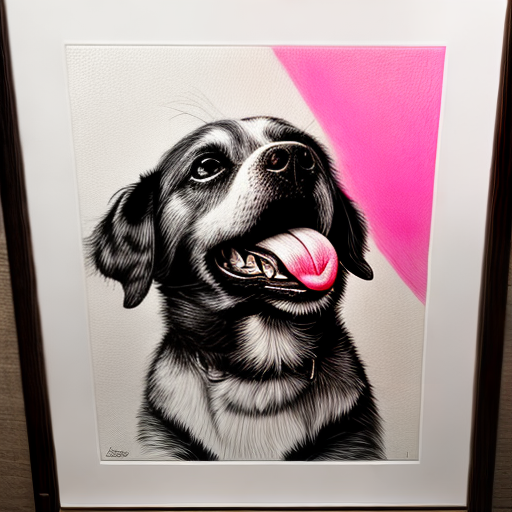
⏳ Timeouts can be an effective way to discipline your dog when they’re engaging in mischievous behavior that doesn’t stop with redirection or ignoring. When your dog is misbehaving, calmly and quickly remove them from the situation and put them in a timeout space. Ensure that the space is boring and doesn’t have any distractions, and leave them in the space for a short period. Timeouts can help your dog calm down and learn that their behavior has consequences.
Consistency
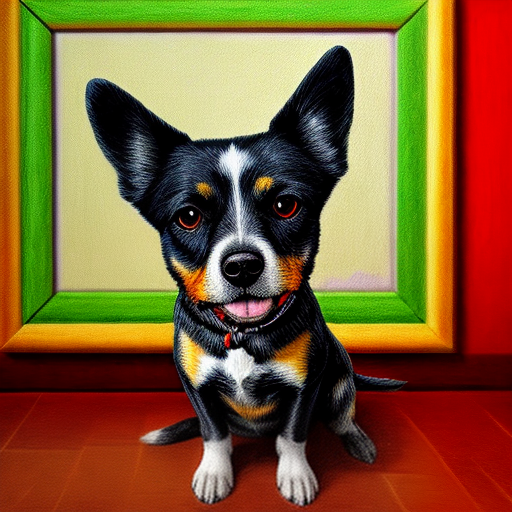
🤝 Consistency is key when it comes to disciplining your dog. Dogs thrive on routine and structure, and they need consistent discipline to learn and understand what behavior is acceptable. It’s crucial to remain calm and consistent in your discipline approach and avoid confusing your dog with mixed signals.
🐾 In conclusion, disciplining your dog can be challenging, but by understanding their behavior, using positive reinforcement, redirecting their behavior, ignoring bad behavior, implementing timeouts, and remaining consistent, you can correct your dog’s mischievous behavior. Remember, effective discipline doesn’t harm your pup physically or emotionally, and it should focus on teaching them acceptable behavior for their safety and yours.
