🐕 The Characteristics of Service Dog Breeds: From Intelligent to Affectionate 🐕
Are you thinking about getting a service dog? Maybe you’re looking for a furry companion to help you with mobility, assist you with medication reminders, alert you to potential dangers, or simply provide some much-needed comfort. Whatever the reason for wanting a service dog, it’s important to choose a breed that suits your needs and lifestyle. Here are some characteristics of service dog breeds, from intelligent to affectionate.
🧠 Intelligent Breeds
Service dogs need to be intelligent enough to perform complex tasks, follow commands, and learn new skills quickly. Breeds that are highly intelligent include:
🐕 Labrador Retriever
Labradors have been a popular breed for service dogs for decades, and for good reason. They are highly trainable, eager to please, and have a great temperament. Labs are also quite versatile, able to perform a variety of tasks ranging from guiding the visually impaired to retrieving items for people with mobility issues.
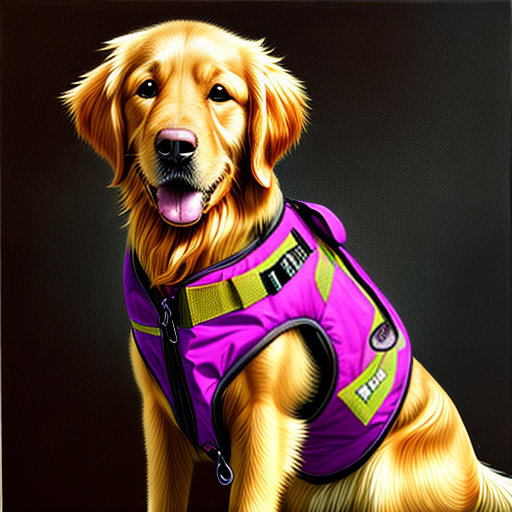
🐕 Golden Retriever
Golden Retrievers are another popular choice for service dogs. They are intelligent, loyal, and gentle, making them ideal for those who need emotional support or have mobility issues. Goldens are also excellent at retrieving and can be trained to help with tasks like opening doors and drawers.
🐕 Poodle
Poodles are often used as service dogs for people with allergies because they don’t shed. However, they are also highly intelligent, trainable, and adaptable. Poodles come in different sizes, making them suitable for a variety of tasks and lifestyles.
💪 Strong Breeds
Some service dog owners require a breed that is strong and physically capable of performing tasks such as pulling wheelchairs, opening and closing doors, or providing mobility assistance. Here are some breeds that fit the bill:
🐕 German Shepherd
German Shepherds are one of the most popular breeds for service dogs. They are strong, intelligent, and loyal, making them well-suited for a variety of tasks such as mobility assistance and search and rescue.
🐕 Boxer
Boxers are high-energy dogs that love to work and play. They are strong and muscular, making them ideal for jobs that require physical strength like helping with mobility or retrieving items.
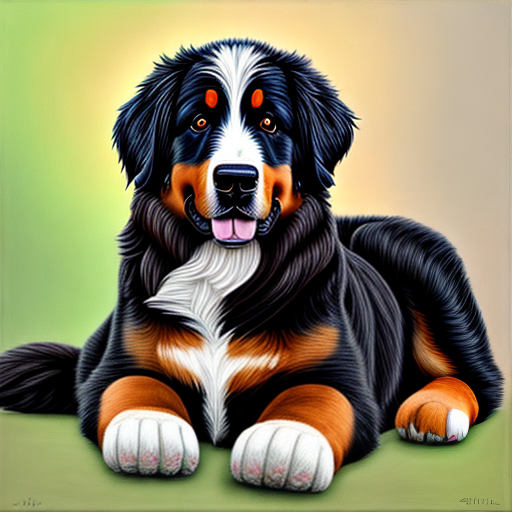
🐕 Bernese Mountain Dog
Bernese Mountain Dogs are large, strong, and gentle. They are often used for mobility assistance due to their size and strength. They are also known for their calm and affectionate temperament, making them great emotional support animals.
❤️ Affectionate Breeds
Many service dog owners seek dogs that can provide emotional support and companionship. Here are some breeds known for their affectionate nature:
🐕 Cavalier King Charles Spaniel
Cavalier King Charles Spaniels are small, gentle dogs with a sweet temperament. They make great emotional support animals and are often used for people with anxiety or depression. These dogs love to cuddle and give and receive affection.
🐕 Labrador Retriever
As mentioned earlier, Labs are not only intelligent but also affectionate. They love to be with their owners and thrive on affection and attention. This makes them great emotional support animals and perfect for those who need a faithful companion.
🐕 Havanese
Havanese dogs are bred specifically to provide companionship. They are small, hypoallergenic, and love to be around people. Havanese are smart, trainable, and affectionate, making them perfect for emotional support, therapy, and as service dogs for people with disabilities.

🏆 Conclusion
Choosing the right breed for a service dog is an important decision. It’s essential to select a breed that is intelligent, strong, and affectionate enough to perform the tasks you need and provide the emotional support you require. With the right breed and training, a service dog can provide a lifetime of love, comfort, and assistance.
