The Impact of Classroom Design on Learning and Student Engagement 🎓
As a student, have you ever walked into a classroom that made you feel energized and eager to learn? Or, on the other hand, have you ever walked into a classroom that made you feel bored and disengaged? Believe it or not, classroom design has a huge impact on learning and student engagement. Here are a few ways that classroom design can affect students:
Creating a Comfortable Environment 🌿
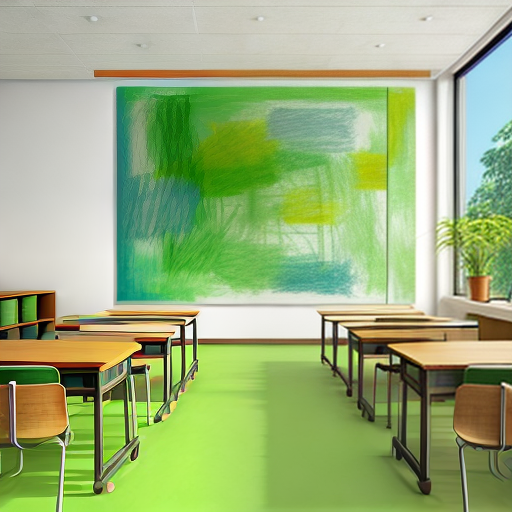
When students feel comfortable in a classroom, they are more likely to feel relaxed and focused. This means that classroom design should incorporate elements that promote comfort, such as ergonomic chairs and desks, cozy lighting, and temperature control. Additionally, natural elements such as plants and greenery have been shown to reduce stress and increase focus.
Providing Opportunities for Collaboration 👥
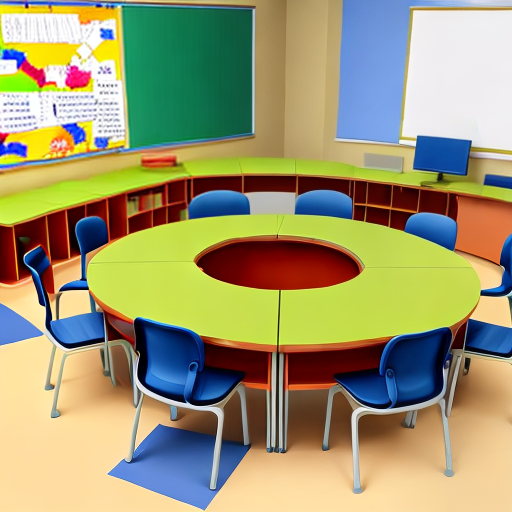
Collaboration is an essential aspect of learning. When students work together, they can share ideas and perspectives, and learn from one another. Classroom design can facilitate collaboration through things like group seating arrangements, whiteboards for brainstorming, and technology for virtual collaboration. When students feel like they are part of a team, they are more likely to engage with the material and retain what they have learned.
Encouraging Active Learning 🤸🏽♀️
Active learning is a teaching method that requires students to participate in hands-on activities, discussions, and problem-solving exercises. This type of learning has been shown to increase retention and engage students more deeply in the material. Classroom design can facilitate active learning through things like flexible seating arrangements, interactive technology, and designated spaces for group projects and discussions.
Tackling Distractions 🚫
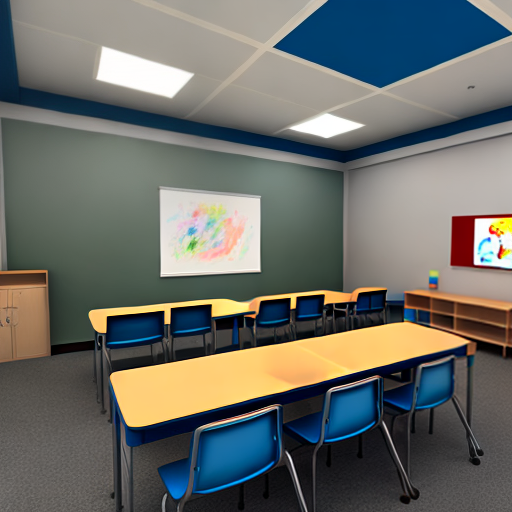
Distractions are the enemy of learning. Classroom design can help reduce distractions and promote focus by incorporating things like soundproofing, natural lighting, and neutral colors. Additionally, technology-free zones can be designated to help students unplug and focus on the material at hand.
Increasing Motivation 🎯
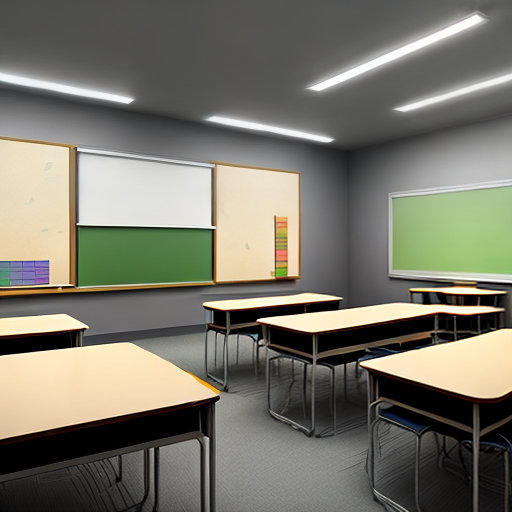
When students feel motivated to learn, they are more likely to put in the effort to succeed. Classroom design can help increase motivation by incorporating things like motivational quotes, student-created artwork, and a visually appealing color scheme. Additionally, spaces for displaying student work can help students feel proud of their achievements and encourage them to put in more effort.
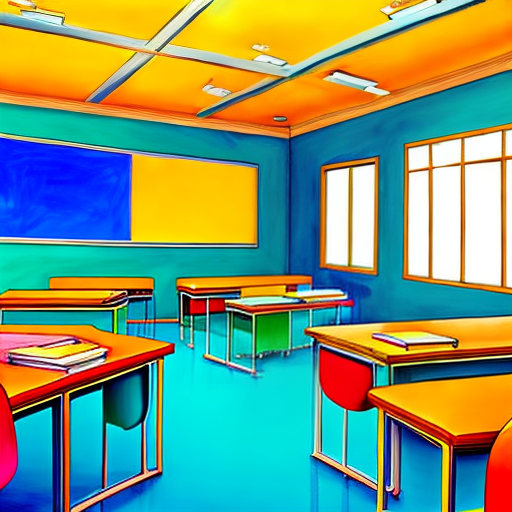
In conclusion, classroom design has a huge impact on learning and student engagement. By creating a comfortable environment, providing opportunities for collaboration, encouraging active learning, tackling distractions, and increasing motivation, students are more likely to feel engaged, focused, and motivated to learn. As educators, it’s important to prioritize classroom design and create spaces that promote the best learning outcomes.
