Gamification in Education: How Game-Inspired Learning Can Motivate Your Students 🎮📚
Are you looking for ways to motivate your students and make learning more engaging? Look no further than gamification! Gamification is the incorporation of game elements and mechanics into non-game contexts, such as education. By incorporating elements like points systems, leaderboards, and badges, gamification can make learning more enjoyable and motivating for students. Here’s how game-inspired learning can help motivate your students:
Increased Engagement 🤩
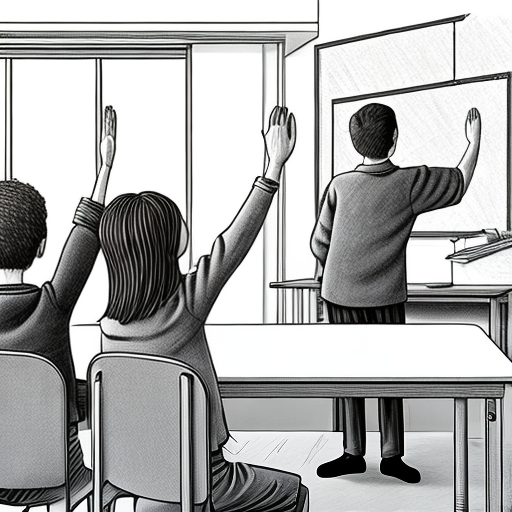
When students are engaged in the learning process, they are more likely to retain information and actively participate in the classroom. By incorporating game-inspired elements into your teaching, you can increase engagement and motivation for your students. For example, you could use a points system to reward students for completing assignments or participating in classroom discussions. By tracking their progress with points, students can see their own improvement and feel more motivated to continue improving.
Personalized Learning 📝
One of the benefits of gamification is the ability to personalize learning for each student. With game-inspired learning, students can progress at their own pace and work on their own specific areas of weakness. For example, you could use a platform like Khan Academy to allow students to work through math problems at their own pace and receive feedback on their progress. By allowing students to have more control over their learning, they can feel more invested in the process and motivated to succeed.

Increased Collaboration and Social Learning 🤝👥
Many gamification elements, such as team-based challenges and leaderboards, can encourage collaboration and social learning. By incorporating these elements into your teaching, you can encourage students to work together and learn from one another. For example, you could set up a team-based challenge where students work together to solve a complex problem. By working together, students can share ideas, build relationships, and improve their problem-solving skills.

Increased Motivation and Persistence 💪🏼
Gamification can provide students with a sense of achievement and progress, which can lead to increased motivation and persistence. By incorporating a system of rewards, such as badges or certificates, students can feel a sense of accomplishment and pride in their work. Additionally, gamification can provide students with a fun and challenging learning environment that can inspire them to persist through difficult tasks or challenging material.
Conclusion 🎉
Gamification can be a powerful tool for motivating students and making learning more engaging and enjoyable. By incorporating game-inspired elements into your teaching, you can increase engagement, personalize learning, encourage collaboration and social learning, and increase motivation and persistence for your students. Give it a try and see the difference it can make in your classroom!
