Collaborative Projects in STEM Education: A Powerful Teaching Tool 💻🤝👩🔬👨💼
As our world becomes more and more reliant on technology, it’s crucial that we equip our students with skills that will help them thrive in this ever-changing landscape. That’s why STEM education has become so crucial in recent years. But simply teaching students about science, technology, engineering, and math isn’t enough. We need to take it a step further and teach them how to collaborate and work in teams, skills that will help them succeed in almost any field. That’s where collaborative projects come in! In this blog post, we’ll explore why they’re such a powerful teaching tool.
What are Collaborative Projects? 🤝👩💻
Collaborative projects are a teaching method that involves having students work together in groups to complete a project. In STEM education, these projects often involve finding solutions to real-world problems using science, technology, engineering, and math. By working together, students can tackle bigger and more complex problems than they could on their own.
Why are Collaborative Projects Important? 💼🧑🤝🧑
There are a variety of reasons why collaborative projects are important in STEM education. Here are just a few:
Encourages Critical Thinking and Problem Solving 🤔💭
Collaborative projects require students to think critically and creatively to solve complex problems. They must use the skills they’ve learned in STEM subjects and apply them in new and innovative ways. By working together, students can bounce ideas off one another and build on each other’s strengths to come up with the best possible solution.
Develops Communication and Social Skills 🗣️👥
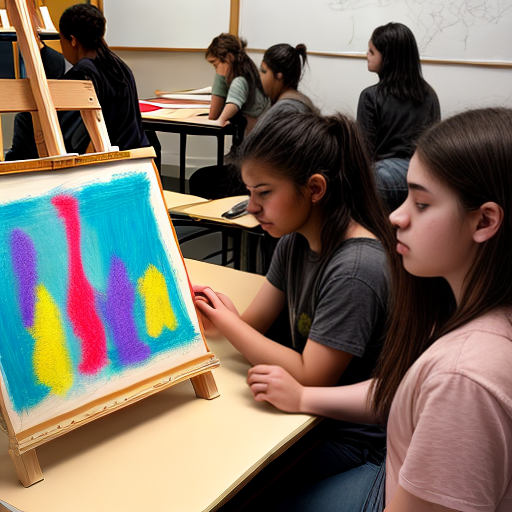
Working in groups requires students to communicate effectively with one another. They must learn how to express their ideas clearly and listen actively to their peers. By working in this kind of environment, students develop valuable social skills they’ll need to succeed in the workforce.
Promotes Diversity and Inclusion 🌎🤝
Collaborative projects bring together students from diverse backgrounds and experiences, which can lead to a more innovative and well-rounded solution. Students learn to appreciate and respect each other’s differences, which can help foster a more inclusive and accepting community.
Builds Real-World Problem-Solving Skills 🌍💡
STEM education often focuses on solving real-world problems, and collaborative projects take this a step further. By working together in groups, students learn how to identify and solve complex problems just like they would in the workforce. This kind of hands-on experience is valuable and can help prepare students for their future careers.
How to Incorporate Collaborative Projects in STEM Education? 🧑🏫📚
Incorporating collaborative projects into STEM education can seem daunting at first, but it doesn’t have to be. Here are a few tips to help you get started:
Select Relevant Topics 🌡️🔬
Choose topics that relate to real-world problems and issues that students can relate to. Make sure the project has a clear focus and that the students have a clear understanding of what they’re trying to accomplish.
Assign Clear Roles and Responsibilities 📝🏢
Assign roles and responsibilities to each team member so that everyone knows what they’re responsible for. Encourage each student to showcase their unique strengths and skills.
Incorporate Technology 🖥️🔧
Technology is a crucial aspect of STEM education, so make sure to incorporate it into the project. Encourage students to utilize technology to solve problems and present their findings.
Give Feedback and Encourage Reflection 👀🤔
Provide feedback throughout the project and encourage students to reflect on their work. This will help them learn from their mistakes and identify areas where they can improve.
Conclusion 🎓🌟
Collaborative projects are a powerful teaching tool that can help students develop essential skills for the workforce. By encouraging creativity, critical thinking, and problem-solving, they provide a valuable learning experience. So next time you’re planning a STEM lesson, consider incorporating a collaborative project to help your students succeed!
