Navigating Anger after a Loved One's Suicide
Navigating anger after a loved one’s suicide can be an incredibly challenging experience. The grief and pain can easily take over, leaving little space for anything else. While there is no easy path to healing, there are a few things that you can do to help you process the anger and find a way forward.
Understanding the Anger 🤬
One of the most important things to keep in mind when dealing with anger after a loved one’s suicide is that it is a completely normal part of the grieving process. In fact, it is not uncommon for people to experience anger towards their loved one for taking their own life, towards themselves for not being able to prevent it, or towards others who they feel may have contributed to the situation.
It is important to understand that this anger is a natural and healthy part of the grieving process. It is a way for us to process the intense emotions and pain that come with loss. By acknowledging and accepting our anger, we can work through it in a healthy and constructive way.

Giving Yourself Permission to Feel 🙌
One of the most effective ways to navigate anger after a loved one’s suicide is to give yourself permission to feel. You may feel guilty or ashamed about feeling angry, but it is important to remember that these emotions are a natural part of the grieving process.
Allow yourself to feel the anger, but also allow yourself to express it in a healthy and constructive way. This may involve talking to a trusted friend or family member, seeking support from a therapist or grief counselor, or engaging in physical activity to release pent-up emotions.

Acknowledging the Source of the Anger 💔
It is important to take the time to acknowledge the source of your anger. This can be difficult, as it may involve facing uncomfortable emotions such as guilt or shame.
Acknowledge the emotions that you are feeling, and identify what it is that is causing them. This may involve reflecting on your relationship with your loved one, your feelings of guilt or responsibility, or any unresolved issues that may be contributing to your anger.
Once you have identified the source of your anger, you can begin to work through it in a healthy and constructive way.

Practicing Self-Care 🧘♀️
Navigating anger after a loved one’s suicide can be emotionally exhausting, so it is important to make time for self-care. This may involve engaging in activities that bring you joy, such as spending time with loved ones, engaging in a hobby, or practicing mindfulness and meditation.
Remember to take care of your physical health as well. Eat well, exercise regularly, and get plenty of rest. Taking care of your mind and body can help you to feel more balanced and grounded as you navigate the difficult emotions of grief.

Seeking Support 💖
One of the most important things that you can do when navigating anger after a loved one’s suicide is to seek support. This may involve talking to a therapist or grief counselor, joining a support group, or simply reaching out to friends and family members who you trust.
Support can come in many different forms, so it is important to find what works best for you. Whether it is a professional counselor or a trusted friend, seeking support can help you to process your emotions and find a way forward.
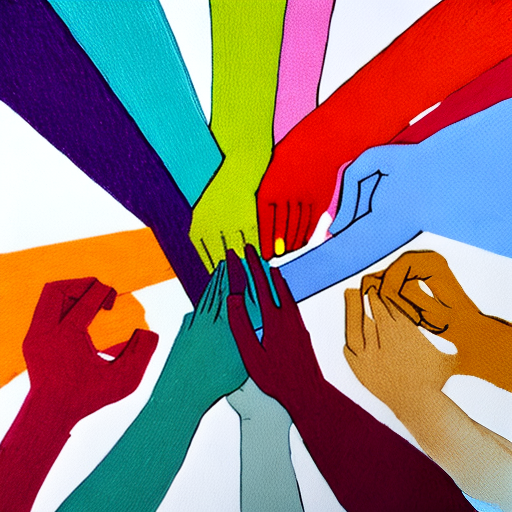
Navigating anger after a loved one’s suicide can be a difficult and painful process. However, by acknowledging and accepting your emotions, giving yourself permission to feel, and seeking support, you can begin to heal and find a way forward.
