Layering for Outdoor Adventures: Expert Advice for Staying Warm and Dry 🏕️
Welcome to the ultimate guide on layering for outdoor adventures! Whether you are planning a camping trip or hiking through the wilderness, knowing how to layer properly can mean the difference between a comfortable and enjoyable experience and a miserable one. In this blog, we will share expert advice for staying warm and dry while exploring the great outdoors.
What is Layering? 🧥
Layering is the process of wearing multiple layers of clothing to regulate body temperature and protect yourself from the elements. Each layer serves a purpose and can be adjusted as needed to maintain comfort. The three main layers of outdoor clothing are the base layer, mid-layer, and outer layer.
The Base Layer: Keep the Moisture Away 💦
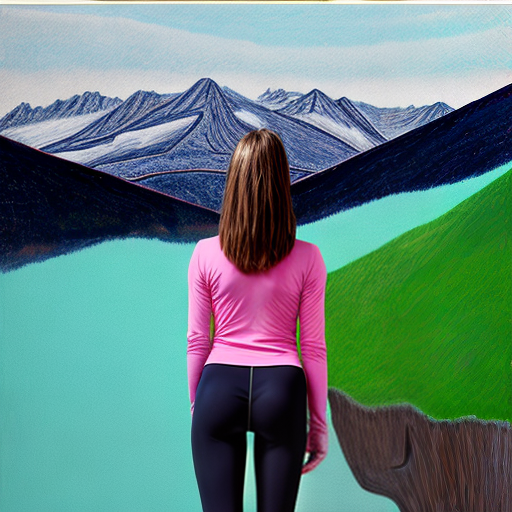
The base layer is the foundation of any outdoor clothing system. It is designed to wick moisture away from your skin, keeping you dry and comfortable. Base layers can be made from a variety of materials, including synthetic fabrics like polyester or merino wool. Avoid cotton, as it retains moisture and can lead to hypothermia.
When choosing a base layer, consider the activity and weather conditions. A lightweight, short-sleeve base layer is suitable for warm weather, while a long-sleeve base layer made from heavier material is better for colder temperatures.
The Mid-Layer: Insulate and Trap Heat 🔥
The mid-layer is designed to insulate your body and trap heat. Popular mid-layer materials include fleece, down, and synthetic insulation. The mid-layer should fit comfortably over the base layer so that it does not restrict movement or airflow.
Choose a mid-layer based on the anticipated weather conditions and your level of activity. For colder temperatures, a thicker mid-layer is ideal, while a lighter layer is better for milder conditions. As with the base layer, avoid cotton and opt for materials that are quick-drying.
The Outer Layer: Protect from Elements 🌧️
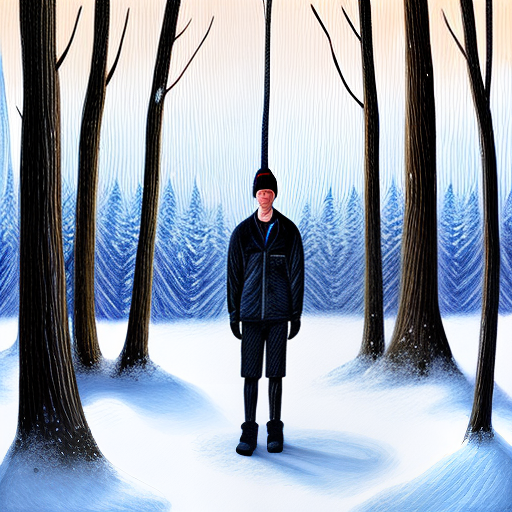
The outer layer, also known as the shell layer, is the final layer of your outdoor clothing system. Its purpose is to protect you from the elements, including wind, rain, and snow.
There are two types of outer layers: hard shell and soft shell. Hard shell jackets are lightweight and waterproof, making them ideal for activities like hiking and climbing. Soft shell jackets are more breathable and flexible, making them suitable for activities that require more movement, such as skiing or snowboarding.
When choosing an outer layer, consider the activity and temperature. For mild weather, a lighter layer is suitable, but for colder and wetter conditions, a thicker and more waterproof layer is advisable.

Tips for Layering 🎓
-
Start with the Base: Always start with the base layer and work your way up. This helps ensure that you stay dry and comfortable throughout your adventures.
-
Avoid Cotton: As mentioned earlier, cotton retains moisture and can lead to hypothermia, so it’s best to avoid it for outdoor activities.
-
Layer According to Activity and Temperature: Consider the activity and weather before choosing your layers. For colder weather, thicker and more insulating layers are ideal.
-
Adjust Layers as Needed: Adjust your layers as needed throughout the day. If you are too warm, remove a layer. If you are too cold, add a layer.
-
Don’t Forget Accessories: Accessories like hats, gloves, and socks are just as important as your clothing layers. Choose accessories made from quick-drying and insulating materials.
-
Stay Hydrated: Staying hydrated is crucial for regulating body temperature and preventing hypothermia. Drink plenty of water before, during, and after your outdoor adventures.

Conclusion 🌄
Layering for outdoor adventures can be intimidating at first, but with this expert advice, you’ll be able to stay warm and dry no matter what the weather brings. Remember to start with the base layer, layer according to activity and temperature, and adjust layers as needed. Don’t forget accessories and stay hydrated. With these tips, you’re ready for any adventure.
