How to Modify Your Yoga Practice During the Postpartum Period: Tips from the Experts 🤰🧘♀️
Hey there mommas! 👋 Are you ready to hop back on the mat after giving birth? Whether you’re a seasoned yogi or a beginner, practicing yoga during the postpartum period can offer numerous benefits such as stress relief, relaxation, and overall physical and emotional well-being. However, it’s important to take note that your body has just gone through an intense phase and needs time to heal, so it’s essential to modify your yoga practice accordingly. Here are some tips from the experts on how to modify your yoga practice and get back into the swing of things.🌻
Gradual Return to Practice 🌟
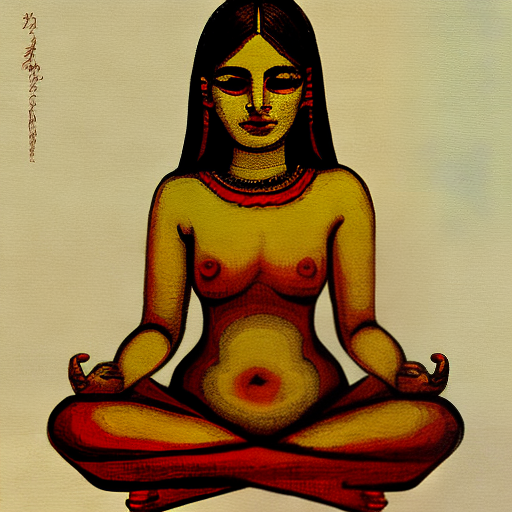
It’s important to start gradually and listen to your body when it comes to returning to your yoga practice. Hormonal fluctuations during the postpartum period can lead to instability in the joints, especially the knees and wrists, so it’s important not to push yourself too hard. Begin with gentle stretches and poses that open and release your chest and hips. Try modified Sun Salutations or simply hold easy seated postures such as Sukhasana or Easy Pose. Always follow the cues of your body. If something hurts or doesn’t feel right, ease off or avoid it altogether.
🌸 Tip: Start with a 10 to 15-minute practice initially, gradually increasing this to 25-30 minutes before attempting something more advanced.
Addressing Your Pelvic Floor 🌈
The pelvic floor can undergo a significant amount of stress and strain throughout pregnancy and childbirth. Practicing yoga provides an opportunity to connect and strengthen the pelvic area, promoting the healing of perineal muscles. However, it’s vital you do so with caution to not cause further trauma to these muscles. Avoid any repetitive or intense postures such as inversions, jumping, or abdominal work that increases pressure on the abdominal and pelvic area. Instead, focus on breathing exercises such as yogic breathing or pranayama can help regulate your breathing rate and alleviate stress in the body.
🌸 Tip: Practice pelvic floor exercises like Kegel to strengthen your pelvic area and avoid poses like Boat and Shoulder Stand.
Include Poses for Recovery 🙏
Incorporating postures that aid in healing and recovery into your yoga practice is essential during the postpartum period. These poses will help release tension and stress from the body and help realign new mothers’ bodies. Gentle and restorative poses, such as Child’s Pose and Pigeon Pose, allow you to achieve relaxation while supporting the body’s restorative process.
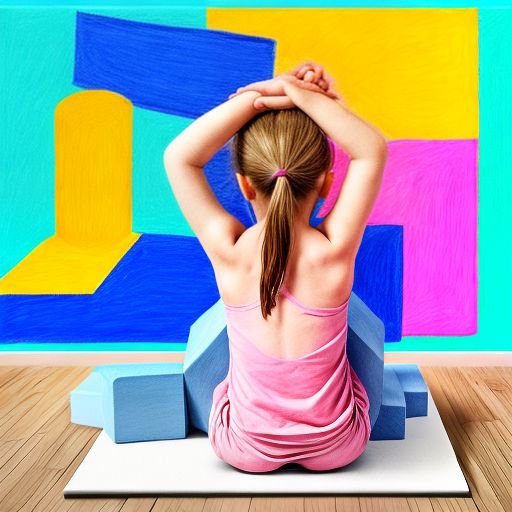
🌸 Tip: Use bolsters, pillows, and blankets to support your body and increase comfort in restorative poses.
Take It Easy 🌞
It’s crucial to take it easy and not push yourself too hard during your postpartum yoga practice. Your body needs time to rebuild, with adequate rest and recovery being a crucial aspect of postpartum yoga. If your body is feeling tired, take a break and skip the practice for that day. Remember, rest is just as important as the practice.
🌸 Tip: Be gentle with yourself. Approach your postpartum yoga practice with a non-judgmental mindset, focusing on self-care and self-love.
By following these tips, you can establish a safe and nurturing postpartum yoga practice that supports your well-being. Remember to listen to your body, take it easy, and always practice safely. Happy practicing mommas! 💛🧘♀️

Image Description
A woman holding a baby and sitting in a cross-legged position on a yoga mat, surrounded by various yoga props such as blocks and a bolster.