The Importance of Visualization in Sports Performance 🏋️♂️
As an athlete, the difference between victory and defeat can come down to a matter of milliseconds or a fraction of an inch. While physical training and conditioning are necessary for success in sports, many elite athletes credit visualization as one of the essential tools in their arsenal. In this blog, we will look at the importance of visualization in sports performance and explore how developing this skill can help athletes achieve their goals.
What is Visualization? 🤔
Visualization, or mental imagery, is the practice of creating vivid or realistic mental images of a desired outcome. When it comes to sports performance, visualization involves the creation of a mental image of yourself performing at your best. This technique has been around for a long time, and it has proven to be highly effective.
Athletes use visualization for various reasons, including:
- To develop specific skills or techniques.
- To build confidence and improve self-belief.
- To reduce anxiety and stress before a competition.
- To recover from a setback or injury.
- To prepare for future competition.
One of the critical elements of visualization is the quality of the image created. The more vivid and detailed the mental image can be, the more effective the technique will be.
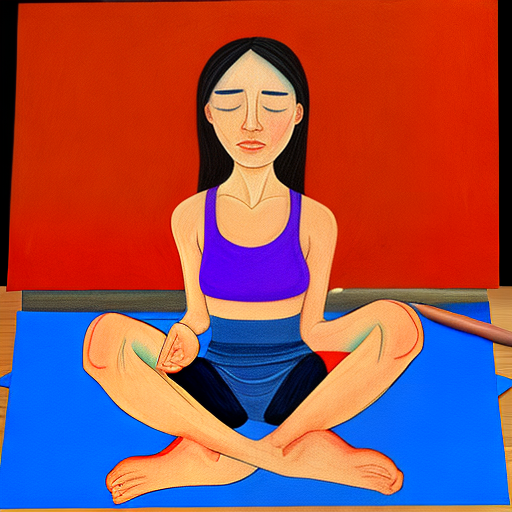
How Visualization Work? 🧠
The human brain and nervous system respond to mental images in much the same way as they do to physical experiences. When we visualize an action, our brain processes that information and sends signals to the muscles involved in that action, triggering a similar response to what we might experience in real life.
For example, if a golfer is trying to improve their swing, they might imagine themselves performing a perfect swing. As they visualize this perfect swing, their brain and nervous system begin to form neural pathways, which in turn strengthens the neural connections involved in the swing. Over time, these pathways become more defined, making it easier for the golfer to perform the swing in reality.
Developing these neural pathways through visualization can be particularly helpful for athletes returning from injury. By repeatedly visualizing the movements involved in their sport, they can retrain their nervous system and muscles to perform at their best, even if they’ve been out of action for a while.
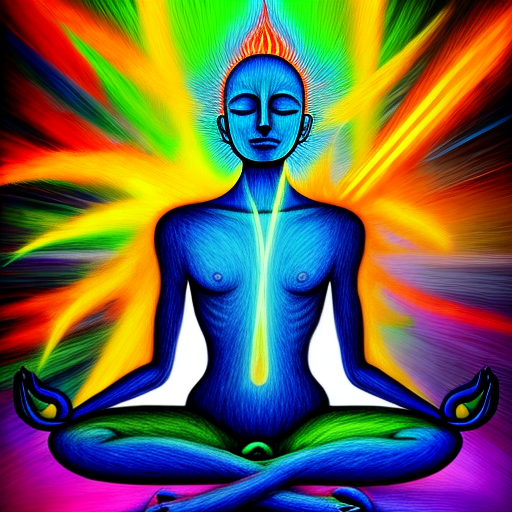
How to Practice Visualization 🧘♀️
To practice visualization effectively, here are some tips:
- Choose a quiet space where you will be free from distractions.
- Relax your body and clear your mind.
- Create a vivid and detailed mental image of yourself performing at your best.
- Engage all of your senses and try to make the image as realistic as possible.
- Repeat the image several times, focusing on key areas where you want to improve.
Visualization is a skill, and like any skill, it requires practice and consistency to be effective. It’s essential to incorporate this technique into your training routine regularly.
Conclusion 🎉
Visualization is a simple but powerful technique that can be used to improve sports performance. By creating vivid and detailed mental images of yourself performing at your best, you can improve your skills, build confidence, reduce anxiety, and prepare for future competition.
Remember that visualization is a skill, and like any other skill, it requires regular practice to be effective. With time and dedication, you can develop strong neural pathways, retrain your nervous system, and improve your sports performance.
