From Pain to Performance: A Guide to Rehab for Athletes 🏋️♂️💪
Are you an athlete who has experienced a sports injury that has kept you from performing at your best? If yes, then you’re not alone. Injuries are a common part of most sports, but they can be scary and demotivating. Rehabilitating after an injury can be a long and arduous process, but it’s essential for athletes looking to recover fully and regain peak performance.
This guide will show you how to navigate your rehab journey, from managing pain to getting back in the game.
1. Seek Medical Attention 🏥
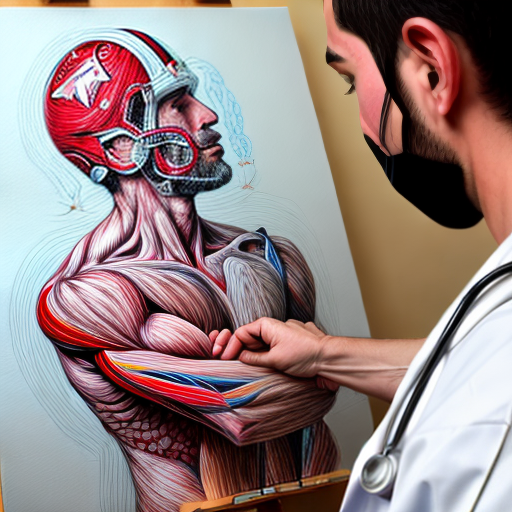
The first step in any rehab journey is getting a proper diagnosis from a licensed medical professional. No matter how small an injury might seem, it is crucial that you take the time to get it checked out. This will help determine the severity of the injury and give you an idea of the rehabilitation timeline.
👉 Remember, never try to self-diagnose or self-treat an injury. Seeking medical attention is always the best and safest option.
2. Manage Pain 💊
Managing pain is an essential aspect of injury rehabilitation for athletes. Pain can be a double-edged sword, helping you identify the areas that need attention while hindering your recovery process. There are different ways to manage pain during your recovery process, ranging from medications to physical therapy.
👉 Don’t rely on pain medication alone. Seek alternative treatments such as ice/heat therapy, acupuncture, or chiropractic care for a more holistic approach to pain management.
3. Physical Therapy 💪
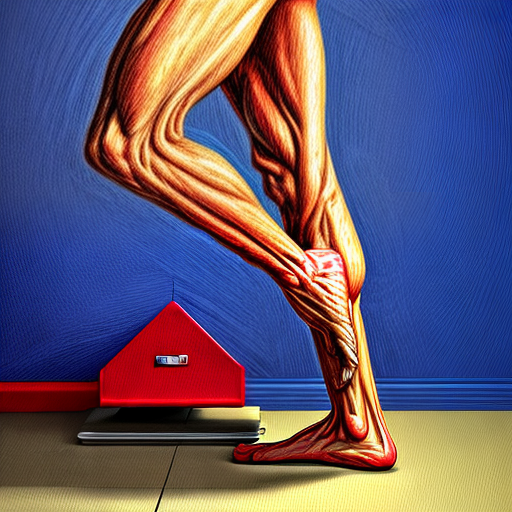
Physical therapy is a crucial part of any injury rehab process, and it involves working with a qualified physical therapist to create a regimen that suits your specific injury’s needs. The goal of physical therapy is to help you strengthen the muscles around the injured area, increase your range of motion, and help prevent future injuries.
👉 Stick with your physical therapy routine. It can be challenging, but consistency is key to a successful rehab process.
4. Stay Active 🚶♂️
While you’re in recovery, it’s essential to stay active, but within prescribed limits. Depending on the nature of your injury, the physical therapist will recommend low- or no-impact activities you can do that won’t strain injured areas.
👉 Find ways to stay active that are enjoyable and specific to your injury and fitness level. Swimming, cycling, and yoga are great options for low-impact exercise.
5. Rest 🛌
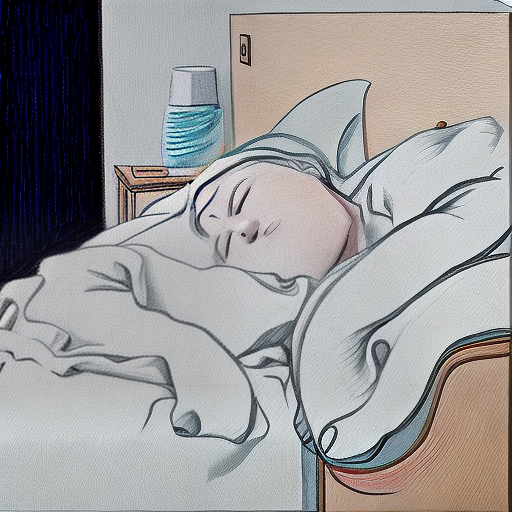
Rest is just as important as any exercise or therapy during an injury rehab process. Injuries can be exhausting, and the body needs time to rest and recover to be at peak performance. Adequate rest will help prevent further injury and aid in the healing process.
👉 Sleep is the ultimate source of rest and recovery for the body, so prioritize getting quality sleep during your rehab process.
6. Hydrate 💦
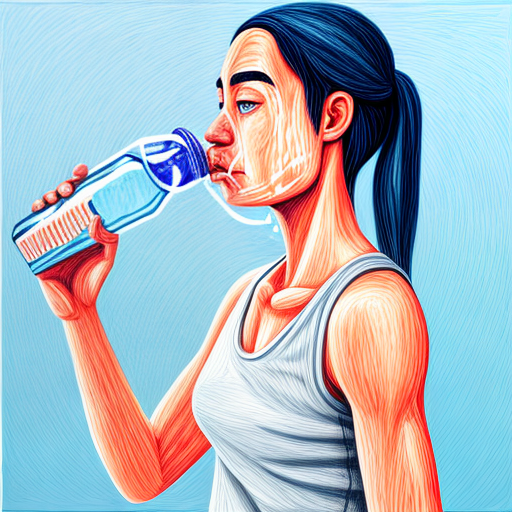
Staying hydrated during your injury recovery process is critical. Water helps the body flush out toxins, prevent dehydration, and energize muscles. Adequate hydration has an essential therapeutic role in injury recovery.
👉 Avoid sugary or caffeinated drinks, as they can dehydrate the body and cause inflammation, which can increase pain.
In conclusion, injury rehab is a challenging but necessary process for athletes. By following this guide and working closely with your medical professionals, you can accelerate your recovery and return to the game stronger than ever before.
