5 Nutrients Your Body Needs for Optimal Muscle Repair 💪
If you’re someone who loves to hit the gym and work out, then you know how important muscle recovery is to your overall health and fitness. However, your muscles can only recover if you provide them with the right nutrients. In this blog post, we’ll take a closer look at the five essential nutrients your body needs for optimal muscle repair, why they’re important, and how to get them.
Protein 🍗
Protein is perhaps the most crucial nutrient for muscle recovery and growth. Your muscles are primarily made up of protein, so it’s no surprise that you need to eat enough protein to rebuild and repair them. After exercising, your body breaks down and damages muscle fibers. Protein provides the necessary amino acids to rebuild and repair these fibers, helping to increase muscle mass and strength.
Foods that are high in protein include meats, like chicken and beef, fish, eggs, and dairy products, such as milk, cheese, and yogurt. If you’re vegan or vegetarian, you can still get your protein fix from plant-based sources like tofu, lentils, and beans.

Carbohydrates 🍚
Carbohydrates often get a bad rap, but they’re necessary for muscle recovery. Your body uses carbohydrates to fuel exercise and replenish glycogen stores used up during a workout. If you don’t consume enough carbs, your body will pull protein from your muscles to use as energy, which can hinder muscle recovery and growth.
When it comes to carbohydrates, it’s essential to eat complex carbs like whole grains, fruits, and vegetables, rather than simple carbs like candy and soda. Complex carbs break down slower, providing sustained energy for a more extended period, which is what you need for optimal muscle recovery.
Omega-3 Fatty Acids 🐟
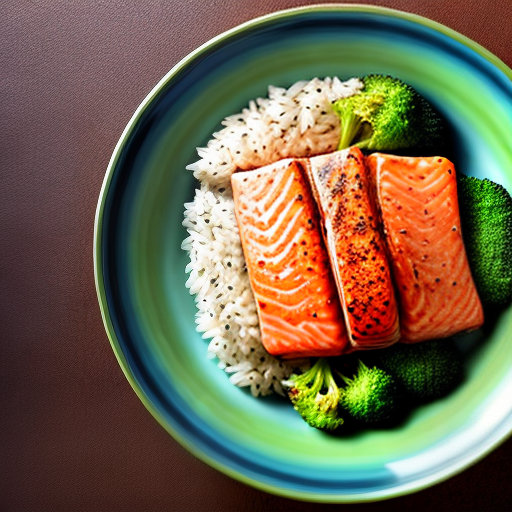
Omega-3 fatty acids are known for their anti-inflammatory properties, which can help reduce muscle soreness and inflammation after exercise. They’re also vital for maintaining overall health and wellness, and some studies have shown that they can boost muscle protein synthesis.
You can get omega-3s from oily fish like salmon and sardines, as well as from nuts and seeds like flaxseed and chia seeds. If you don’t consume enough omega-3s in your diet, you can also take supplements like fish oil.
Vitamin D 🌞
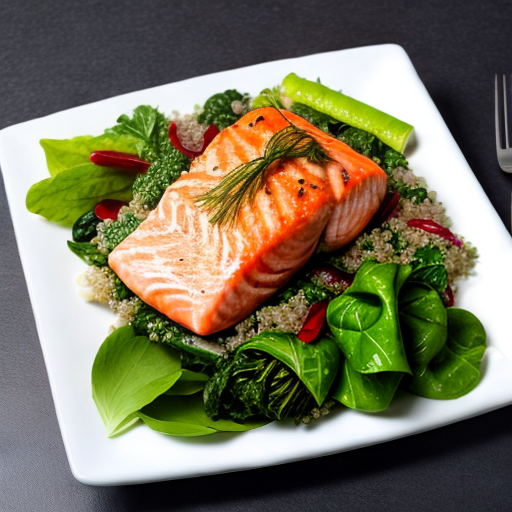
Vitamin D plays a crucial role in muscle function and recovery. It helps your body absorb calcium, which is essential for muscle contraction. A lack of vitamin D can impair muscle function and increase the risk of fractures and falls.
While you can get vitamin D from food sources like fatty fish and egg yolks, your best bet is to get it from sunlight. Your body synthesizes vitamin D when your skin is exposed to sunlight, so try to get outside for at least 15 minutes each day to soak up some rays.

Water 💦
Water is perhaps the most critical nutrient for overall health and wellness, and it’s also essential for muscle recovery. When you exercise, you sweat, which means your body loses water. If you don’t drink enough water, your muscles won’t be able to function correctly, and you’ll experience fatigue and soreness.
The general rule of thumb is to drink at least eight glasses of water a day, but if you’re exercising, you may need to drink more to compensate for the water loss. If you’re performing intense workouts, you may also need to add in electrolytes like sodium and potassium to help your body regulate fluids and prevent dehydration.

In Conclusion
If you want to optimize your muscle recovery and gain the most benefit from your workouts, it’s crucial to provide your body with the right nutrients. This involves eating enough protein, complex carbs, and healthy fats, as well as getting enough vitamin D and staying hydrated. By including these essential nutrients in your diet, you’ll be well on your way to achieving your fitness goals and maintaining overall health and wellness.
