Innovative Tech Transforming Game Design: 10 Examples to Inspire Your Next Project 💻🚀🎮
Hello there! 👋 If you’re a game developer or enthusiast like myself, then you know how important innovation is to the growth and evolution of the gaming industry. The use of innovative technology has transformed game design in ways that were previously impossible. In this blog post, I’ll be sharing 10 examples of innovative tech that have completely transformed game design and will inspire your next project. Let’s dive right in! 💥
1. Virtual Reality
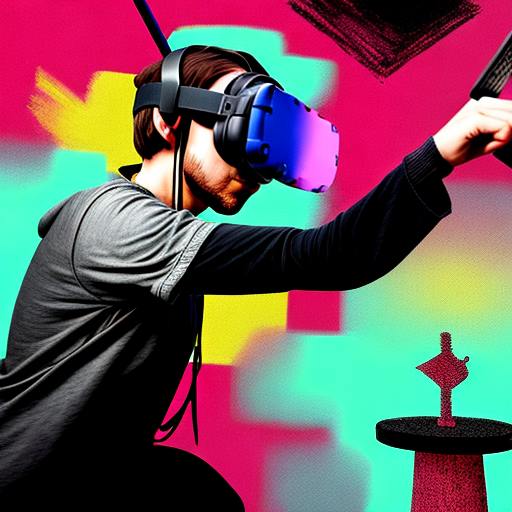
Virtual Reality (VR) is one of the most innovative techs to enter the gaming industry. VR immerses players into a game world, providing an unparalleled level of interactivity and immersion. With the development of affordable VR equipment, more and more games are being developed for VR platforms. From horror games to action games, the potential of VR is unlimited.
2. Augmented Reality
Augmented Reality (AR) technology overlays digital information on real-world environments. This technology has been used in games such as Pokemon Go, where players had to catch Pokemon in real-world locations. Beyond its use in mobile games, AR headsets such as Magic Leap are now available, providing a futuristic approach to gaming.

3. Artificial Intelligence
Artificial Intelligence (AI) technology has made it possible for games to have more realistic and intelligent NPCs (Non-Playable Characters). AI-powered NPCs can adapt to the player’s decisions and actions, making the game much more challenging and immersive. AI can also be used for procedural generation of game worlds, which creates endless content for players to explore.
4. Blockchain
Blockchain technology provides secure and transparent transactions, making it an ideal technology for in-game economies. Blockchain-based games have been developed, creating new ways for players to earn and spend in-game currency. Additionally, blockchain technology can be used to ensure player ownership of in-game items, reducing fraud and scams in the gaming industry.
5. Cloud Gaming
Cloud Gaming technology allows players to play games without having to download them onto their own device. Games are streamed over the internet, lowering hardware requirements and creating a more accessible gaming experience. With the development of 5G internet speeds, cloud gaming is set to become even more popular, making gaming more accessible than ever before.

6. Haptic Feedback
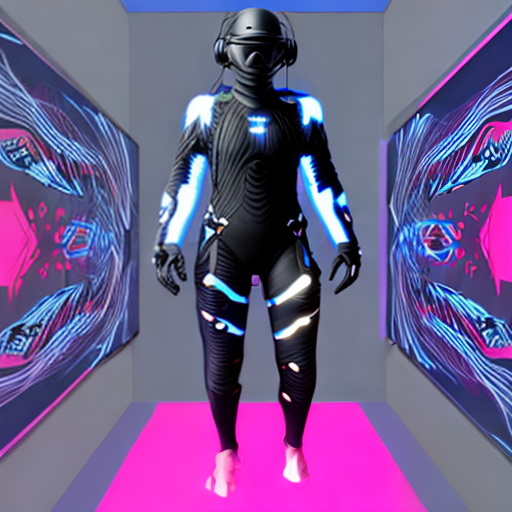
Haptic Feedback technology provides players with physical feedback while playing games. This technology ranges from simple vibration motors to more advanced systems such as the TactSuit, which provides full-body haptic feedback. Haptic feedback can make games feel more realistic and immersive, creating a more engaging experience for players.
7. Facial Recognition
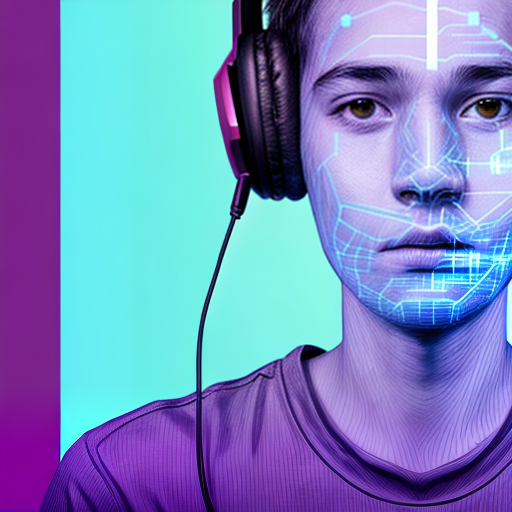
Facial Recognition technology is used to track the player’s facial expressions, which can be used to gauge their emotions and adjust the game accordingly. This technology has been used in games such as Nevermind, a horror game that uses the player’s fear level to adjust difficulty. Facial recognition technology can also be used for facial animations, creating more realistic-looking characters.
8. Machine Learning
Machine Learning technology allows for the creation of procedural generated content, which can greatly increase the size and scope of a game world. Games such as Minecraft and No Man’s Sky use procedural generation to create vast and endless worlds for players to explore. Machine Learning can also be used for more intelligent AI, creating NPCs with more realistic behavior and decision-making abilities.

9. Motion Capture
Motion Capture technology allows for actors to perform actions that are then translated into a game character’s movements. This technology is essential for creating realistic animations in games. The use of motion capture has increased in recent years, leading to more lifelike game characters and cutscenes.

10. Ray Tracing
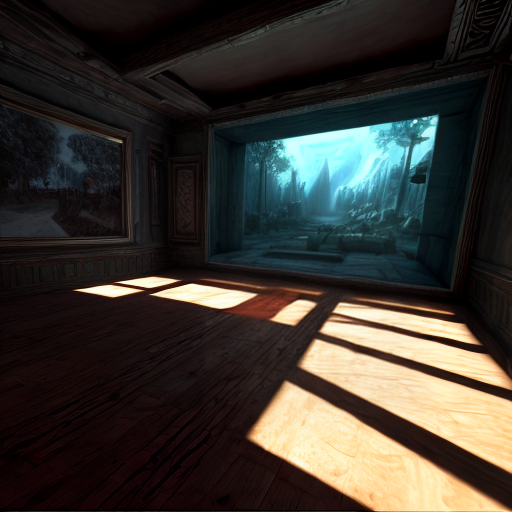
Ray Tracing technology allows for the creation of more realistic lighting and shadows in games. This technology can create more immersive and realistic environments, as lighting can directly affect the mood and tone of a game. With the development of powerful graphics cards, ray tracing is becoming increasingly popular in modern games.
That concludes our list of 10 innovative technologies that have transformed game design. Implementing these technologies into your game can greatly improve the player experience and set your game apart from the competition. Which technology are you most excited to use in your next project? Let me know in the comments! 🤖👾
