The Benefits of Composting for Soil Health Improvement and Reducing Waste
Hey there! As someone who cares about the environment and wants to make sustainable choices, you might have heard about composting. But if you’re new to this practice, you must be wondering “what exactly is compost?”, “why is it important?”, “how can I do it?”. Well, don’t worry, I’m here to answer those questions and more! In this post, we will discuss the benefits of composting for soil health improvement and reducing waste.
What is composting? ♻️
Composting is the process of creating a nutrient-rich soil amendment from organic waste, such as food scraps, leaves, and yard trimmings. These materials decompose over time, breaking down into a nutrient-rich soil amendment called compost.
Benefits of composting 🌿
1. Improves Soil Health 🌱
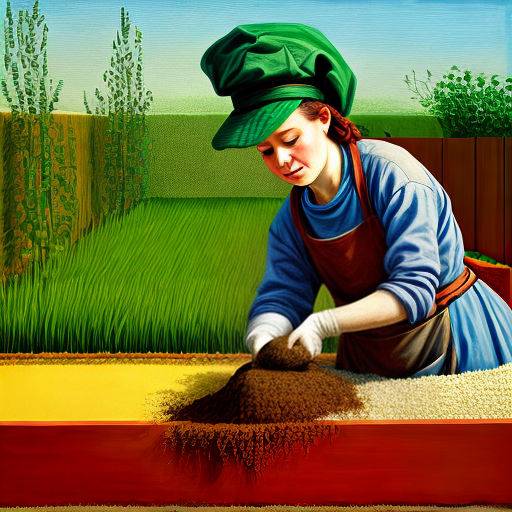
Compost is an excellent soil conditioner, adding fertility to the soil and creating a perfect environment for plants to grow. Compost is rich in nutrients and beneficial microorganisms that help break down organic matter, making those nutrients available to plants. The added organic matter also helps soil retain moisture, which is crucial in dry climates.
2. Reduces Waste 🗑️
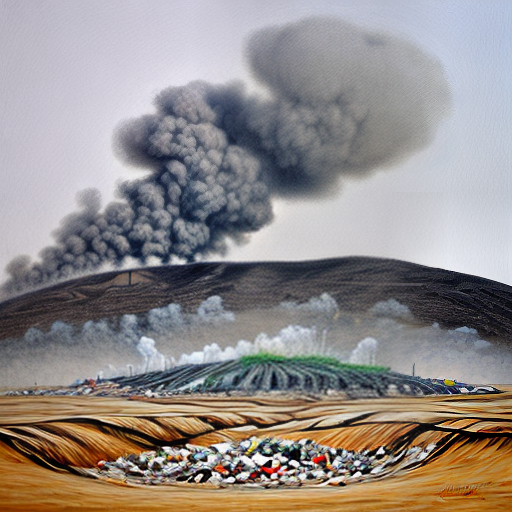
By composting, you reduce the amount of organic waste going to landfills, where it would contribute to greenhouse gas emissions. Organic matter in landfills releases methane, a potent greenhouse gas, into the atmosphere. By diverting organic waste, you can reduce your carbon footprint and help combat climate change.
3. Saves Money 💰
Composting can also reduce your expenses as a gardener. Instead of buying expensive fertilizers and soil amendments, you can make your compost at home using free ingredients. Also, you’ll likely save money on your trash collection bills, as you’ll be reducing the amount of waste you produce.

4. Reduces Water Use 💧
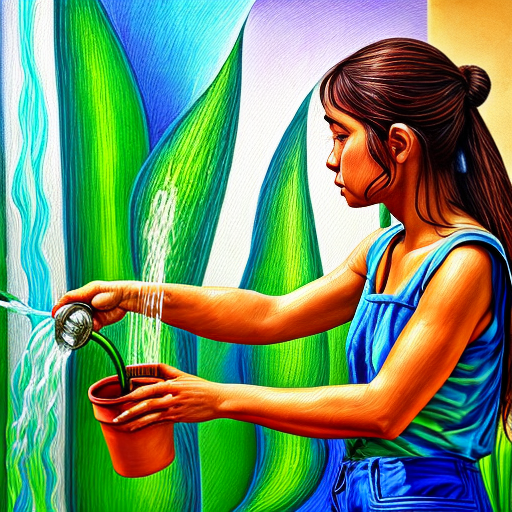
When soil is healthy, it retains water more efficiently. By composting and adding organic matter to your soil, you can increase its ability to retain moisture, thus reducing the need for watering. This is great news, especially for gardeners who live in dry or drought-prone areas.
5. Promotes Biodiversity 🌺
Composting can also promote biodiversity by attracting beneficial insects that help pollinate plants and control pests. As healthy soil supports plant growth, it provides habitats for a wide range of microorganisms that support soil health and promote beneficial interactions among soil, plants, and other organisms.

How to start composting? 🌍
Starting composting can be easy and it doesn’t require a lot of space. Here are some tips to get you started:
- Choose a suitable location. You can use a compost bin, start a pile in a designated area, or use a worm bin.
- Gather materials. You need a good mix of “brown” materials like leaves and paper and “green” materials like food scraps and grass clippings.
- Start composting. Layer brown and green materials and keep them moist. Rotate or turn the pile every few weeks to help aerate it and speed up the decomposition process.

In conclusion, composting is an excellent way to improve soil health and reduce waste. It has so many benefits, including reducing greenhouse gas emissions, saving money, and promoting biodiversity. So, why not give it a try? You’ll be doing your part in making our planet a healthier and more sustainable place to live. 🌿🌍♻️
