🌿 How to Create a Water-Efficient Garden Design 🌱
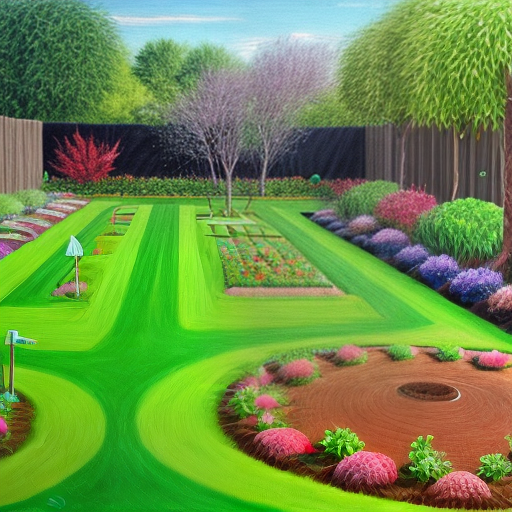
Welcome to my guide on how to create a water-efficient garden design! 🌸 As someone who loves gardening, I know how important it is to conserve water in our gardens. And with these tips, you too can create a beautiful and sustainable garden that will save water and money. So let’s get started! 🌱
Choose Drought-Tolerant Plants 🌵
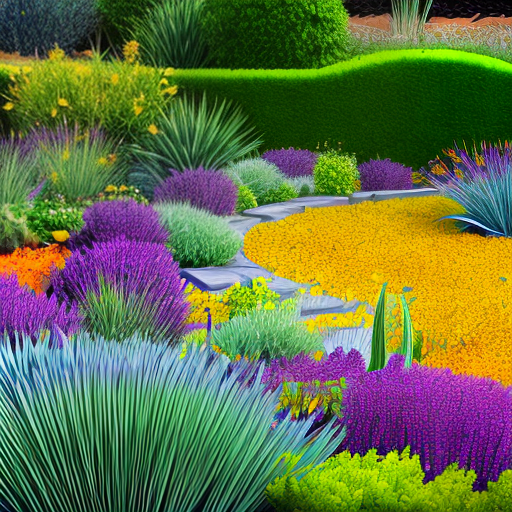
One of the easiest ways to reduce water usage in your garden is by choosing plants that are naturally adapted to dry conditions. 🌵 These plants are often referred to as drought-tolerant or xeriscape plants. They require less watering compared to other plants, making them perfect for water-saving gardens. Some examples of drought-tolerant plants include succulents, cacti, lavender, and rosemary.
Use Mulch to Retain Moisture 🍂
Mulching is a technique that involves spreading organic material over the soil surface to retain moisture. 🍂 Mulch also helps to keep the soil cool and prevent evaporation. This means your plants will require less watering. When selecting mulch, consider using organic materials such as wood chips, bark, or grass clippings. Avoid using non-organic materials such as rubber mulch, as they can affect soil quality and may be harmful to plants.
Plant in Groups 🌸
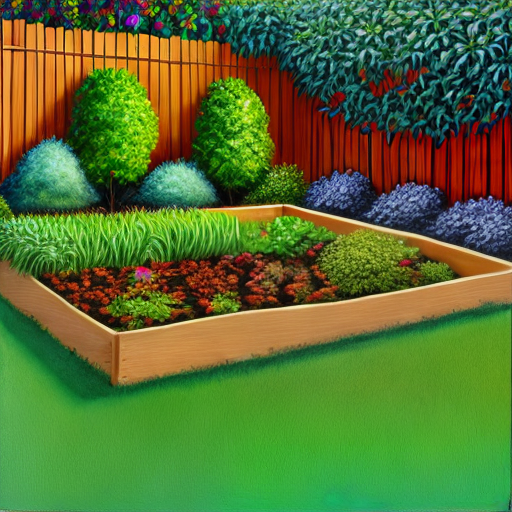
Grouping plants together is a great way to minimize water usage in your garden. When plants are clustered together, they can create a microclimate, which helps to reduce water evaporation. 🌸 Additionally, when plants are planted closely together, they can provide shade for each other, keeping the soil cooler and reducing the amount of water needed.
Water Plants at the Right Time 💧
Timing is key when it comes to watering your garden. It’s important to water plants when they need it the most, and to avoid overwatering. 💧 One way to determine when to water your plants is by checking the soil moisture level. Insert a finger into the soil and if it feels dry at a depth of 1 to 2 inches, it’s time to water. It’s best to water plants in the early morning or late evening when the sun is not too strong, to avoid water evaporation.
Use Smart Irrigation Systems 🌧️
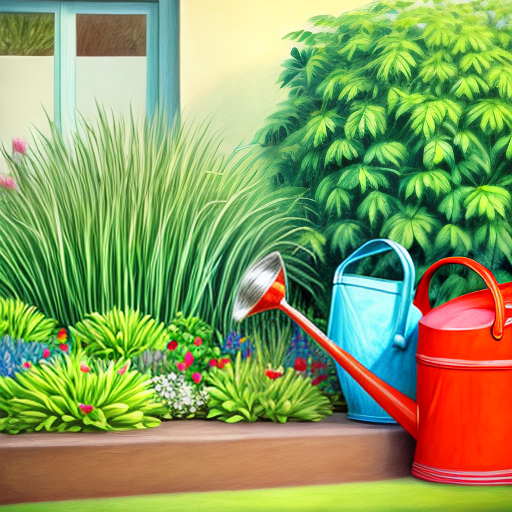
Smart irrigation systems are the best way to ensure that your garden is watered efficiently. 🌧️ These systems use sensors to determine the moisture level of the soil and apply water only as needed. This can help to reduce water usage by up to 50% compared to regular irrigation systems. Additionally, some smart irrigation systems can be controlled remotely using your smartphone, making it easy to monitor and adjust water usage.
Collect Rainwater 🌦️
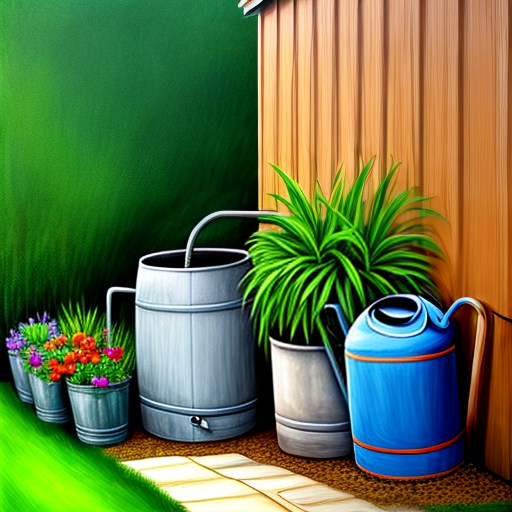
Rainwater is one of the best sources of water for your garden. 🌦️ Collecting rainwater is easy and can be done using a rain barrel or other water collection systems. By collecting rainwater, you can reduce the amount of tap water used in your garden and save money on your water bill.
With these tips, you can create a beautiful water-efficient garden that is sustainable and easy to maintain. 🌱 It’s important to remember that conserving water in your garden doesn’t mean sacrificing beauty. With the right plants and techniques, you can have a garden that looks great and saves water. Happy gardening! 🌿
