The Intersection of Climate Change and Food Security: Why Water Conservation Matters
Climate change is perhaps the biggest challenge that humanity is facing in the 21st century. The world is getting hotter, sea levels are rising, natural disasters are more frequent, and rainfall patterns are becoming unpredictable. All of these factors have a direct impact on food security, which is the ability of a society to access enough food to meet its needs. In this blog post, we will examine the intersection of climate change and food security, and explain why water conservation is crucial in mitigating the effects of climate change on food security.
Climate Change and Food Security
Climate change has a direct effect on food production, as changing weather patterns can cause crop failures and reduce yields. Droughts, floods, and extreme weather events can all disrupt food production and supply chains, leading to higher food prices and food shortages. The effects of climate change on food security are particularly pronounced in developing countries, which often have less resilient economies and food systems.
🍎 Tip: You can learn more about the impact of climate change on food security by reading reports from institutions like the United Nations. These reports offer detailed analysis of the problem and suggest potential solutions.
Water and Food Production
Water is perhaps the most essential resource for food production, as most crops require a good supply of water in order to grow. However, climate change is affecting water supplies in several ways. Rising temperatures are leading to higher rates of evaporation, while changing weather patterns are making rainfall less reliable. In addition, groundwater levels are dropping in many regions as a result of excessive water use.
🌧️ Tip: One way to conserve water in agriculture is by using drip irrigation systems, which deliver water directly to the roots of plants rather than spraying it over the entire field. This can reduce water use by up to 50%.
Water Conservation in Agriculture
Water conservation is essential in any area where water is scarce or becoming scarce due to climate change. Sustainable agriculture practices can help to reduce water use in crop production by using techniques like conservation tillage, crop rotation, and cover cropping. These practices help to reduce the amount of water lost through evaporation and runoff, as well as promoting healthy soil and reducing erosion.
💧 Tip: Another effective way to conserve water is through rainwater harvesting, which involves collecting and storing rainwater for later use. This can be a useful technique in areas with unreliable rainfall patterns.
Importance of Sustainable Water Use
Sustainable water use is essential in order to ensure that there is enough water available for both agriculture and domestic use. This requires a coordinated effort from governments, farmers, and other stakeholders to manage water resources in a way that is equitable and environmentally responsible. Sustainable water use can also help to reduce the impact of climate change on food security by creating more resilient water systems.
👥 Tip: You can get involved in efforts to conserve water and promote sustainable water use in your community by joining local environmental organizations or attending public meetings on water issues.
Conclusion
Climate change poses a significant threat to food security, but by conserving water and promoting sustainable agriculture practices, we can help to mitigate the effects of a changing climate. By working together, we can protect our water resources and ensure that there is enough food available for everyone on the planet.
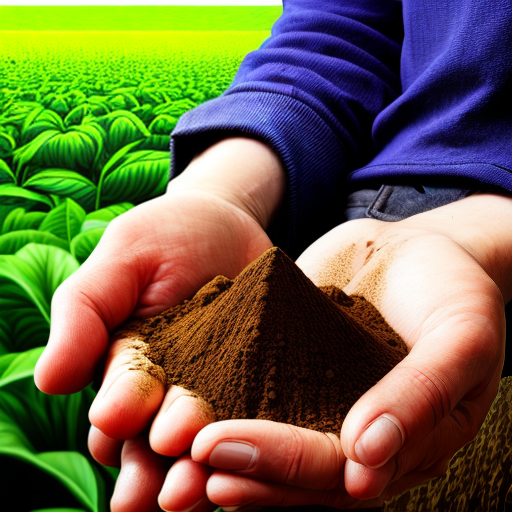
Image description for entire blog:
