Bust Myths About Bedtime Routines: Separating Fact from Fiction
It’s no secret that a good night’s sleep is essential to a healthy lifestyle. However, with the vast amount of information available on bedtime routines, it can be challenging to separate fact from fiction. Some commonly held beliefs have been passed down from generation to generation, but are they true? In this blog post, we’ll bust some common myths about bedtime routines and provide tips to help you sleep better.
Myth: You Should Always Go to Bed and Wake Up at the Same Time Everyday
While it’s true that maintaining a consistent sleep schedule is beneficial for overall sleep health, it’s not always necessary to stick to a rigid bedtime routine. Your body’s natural circadian rhythm can vary slightly from day to day, and it’s important to listen to your body’s signals. If you’re feeling particularly tired, it’s better to go to bed earlier rather than pushing through and staying up late. The same goes for waking up - if you feel rested and refreshed, there’s no need to hit the snooze button.
💡 Tip: Try to maintain a consistent sleep schedule as much as possible, but don’t feel guilty if you need to deviate from it occasionally. Listen to your body’s needs and adjust accordingly.
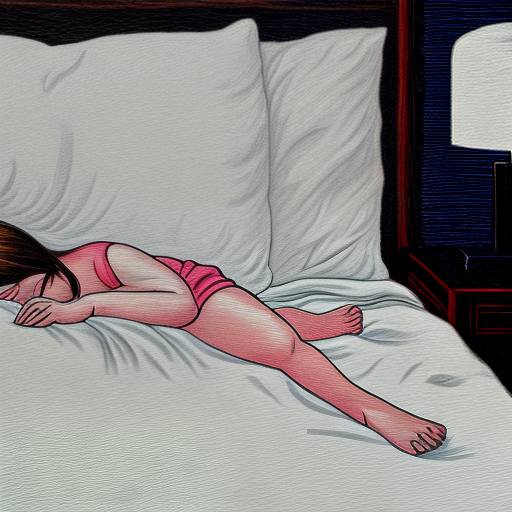
Myth: Watching TV in Bed Helps You Fall Asleep
Many people believe that watching TV in bed is an effective way to wind down before sleep. However, the blue light emitted by electronic screens can disrupt your body’s natural production of melatonin, a hormone that regulates sleep. Additionally, the content of what you’re watching can be stimulating and keep your mind active, making it harder to fall asleep.
💡 Tip: Try to avoid watching TV or using electronic devices for at least an hour before bedtime. Instead, find a relaxing activity to do, such as reading a book or taking a warm bath.

Myth: Drinking Alcohol Helps You Sleep Better
While it’s true that alcohol can help you fall asleep faster, it can actually have a negative impact on the quality of your sleep. It can interfere with your REM (rapid eye movement) sleep, which is essential for feeling rested and refreshed upon waking. Additionally, alcohol can cause you to wake up frequently during the night, leading to fragmented sleep.
💡 Tip: If you choose to drink alcohol, do so in moderation and avoid doing so right before bedtime. Allow time for the alcohol to wear off before falling asleep.

Myth: White Noise Machines Are Essential for Good Sleep
White noise machines have become increasingly popular in recent years, and many people swear by their ability to help them sleep better. While they can be helpful in drowning out distracting sounds, they’re not a necessity for good sleep. In fact, some studies have shown that white noise machines can actually be harmful if used at high volume levels, leading to hearing damage.
💡 Tip: Experiment with different methods of blocking out noise, such as earplugs or a fan. If you do use a white noise machine, keep the volume at a safe level and place it away from your head.

Myth: Napping During the Day Will Ruin Your Sleep at Night
Many people believe that taking naps during the day will disrupt their nighttime sleep and cause insomnia. However, napping can actually be beneficial for some people, especially if they didn’t get enough sleep the night before. Studies have shown that short naps (20-30 minutes) can improve alertness and cognitive function without interfering with nighttime sleep.
💡 Tip: If you’re feeling tired during the day, try taking a short nap (20-30 minutes) to recharge. Avoid napping for longer periods of time, as this can interfere with nighttime sleep.
By busting these common myths about bedtime routines, we hope to provide a clearer understanding of what truly makes for a good night’s sleep. Remember, everyone’s sleep needs are different, so it’s important to listen to your body and adjust your routine accordingly.
