Maximizing the Effectiveness of Your Sleep Medication 💤
Hey there, sleep-deprived friend! Are you having trouble getting a good night’s rest? Does it feel like no matter how many sheep you count, you just can’t seem to drift off? Well, you’re not alone! Millions of people around the world struggle with sleeping disorders, but luckily, there are medications that can help. However, taking sleep medication is not as simple as popping a pill and jumping into bed. Maximizing the effectiveness of your sleep medication takes a little extra effort, but it’s totally worth it! So let’s dive in and learn how to get the most out of your sleep medication! 🛌
Consult with your doctor 🩺
Before you start any new medication, it’s important to consult with your doctor. This is especially true when it comes to sleep medication, as there are many different types with varying levels of strength and potential side effects. Your doctor can help you choose the best medication for your specific sleep issues and provide guidance on dosage and timing. It’s important to follow your doctor’s instructions carefully and not to exceed the recommended dosage on your own.

Take your medication at the right time ⏰
The timing of when you take your sleep medication can greatly affect its effectiveness. Some sleep medications work quickly and should be taken right before bed, while others take longer to kick in and should be taken earlier in the evening. Additionally, some medications cause drowsiness or dizziness, so it’s important to make sure you won’t be driving or operating heavy machinery after taking them. Always follow the instructions on the label or those provided by your doctor.

Set the right sleep environment 🌃
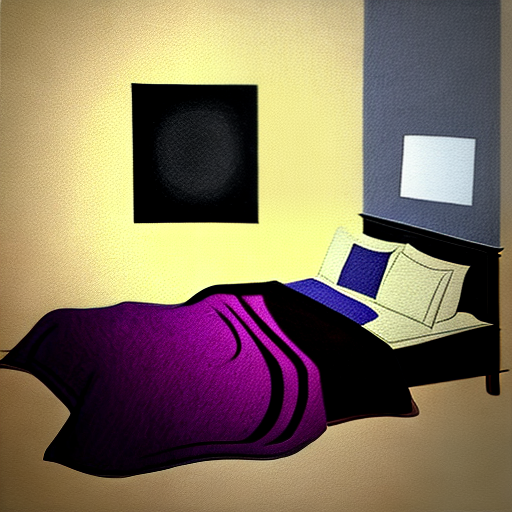
Creating a sleep-conducive environment can make a big difference in the quality and effectiveness of your sleep medication. Dim the lights and turn off all electronics well before bedtime to help your brain prepare for sleep. Make sure your room is cool, quiet, and comfortable. Invest in a good quality mattress and pillows, and consider using blackout curtains or a white noise machine to block out external disturbances.
Practice good sleep hygiene 🧼
Good sleep hygiene can also help maximize the effectiveness of your sleep medication. This includes establishing a regular sleep schedule, performing relaxing activities before bed, avoiding caffeine and alcohol close to bedtime, and minimizing stress and anxiety. Regular exercise can also be beneficial for better sleep. By establishing healthy sleep habits, you can help your body become more receptive to sleep medication and get better results.

Be patient and consistent ⏳
Remember, the effectiveness of sleep medication can take time to work, and results may vary. It’s important to be consistent with your medication regimen and to give it time to work. Don’t expect immediate results, and be patient as your body adjusts to the medication. If you don’t see results after a few weeks, talk to your doctor about adjusting your medication or dosage.

In conclusion 🌟
Maximizing the effectiveness of your sleep medication takes a little extra effort and patience, but it’s definitely worth it for a good night’s rest. Consult with your doctor, take your medication at the right time, create a sleep-conducive environment, practice good sleep hygiene, and be patient and consistent. Remember, quality sleep is essential for a healthy body and mind. Sweet dreams! 💭💤
