Revolutionary Violence and Resistance: A Layered Analysis 🧐
Welcome to my blog on Revolutionary Violence and Resistance, where we will be taking a deep dive into the dynamics surrounding the use of violence in revolutionary struggles. This topic is complex and multi-faceted, and this blog aims to provide a comprehensive understanding of the different layers and contexts that surround this issue.
Violence as a Tool of Revolution 🛠️
The use of violence in revolutionary struggles is a controversial topic, often sparking heated debates and differing opinions on its effectiveness. One school of thought is that violent resistance is a necessary tool for oppressed groups to achieve liberation, as peaceful protest and resistance have often been met with government repression and violence.
However, others argue that violence is counterproductive, leading to destruction and chaos that can undermine the movement’s legitimacy and turn public opinion against the cause.
Ultimately, the decision to use violence as a tool of revolution depends on the specific context of the struggle and the balance of power between the oppressors and the oppressed.
The Role of State Violence 💥
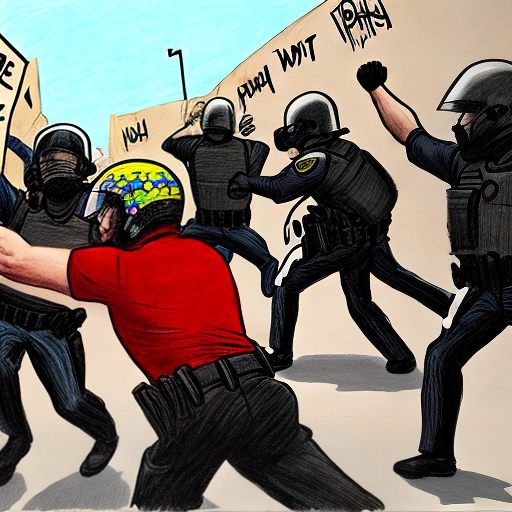
It’s important to recognize that the use of violence in revolutionary struggles is not a one-way street. State violence and repression can push the oppressed to resort to violent resistance as a means of self-defense and retaliation.
State-sponsored violence takes many forms, from police brutality to military repression and even genocide. In many cases, the state uses violence to maintain its grip on power, silencing dissent and preventing any challenges to the existing power structures.
It’s important to hold the state accountable for its use of violence and demand justice for those who have been victims of state-sponsored violence. Without accountability and justice, the cycle of violence and resistance will continue.
The Ethics of Violence ☮️
Another crucial aspect when discussing revolutionary violence is the ethical considerations involved. The decision to use violence should not be taken lightly, and a clear understanding of the consequences and potential harm inflicted on innocent civilians should be considered.
While violent resistance can be necessary to bring about change, it’s essential to ensure that the violence is directed towards those in power rather than innocent bystanders.
It’s also important to consider the impact of violence on the collective psyche of the society and how it may affect future generations. Revolutionary movements should aspire to create a just and egalitarian society, not perpetuate the very violence they are fighting against.
The Power of Non-Violent Resistance 🤝
Finally, it’s important to recognize the power of non-violent resistance in revolutionary struggles. While violent resistance may be necessary in some contexts, non-violent resistance can also be a highly effective tool to bring about change.
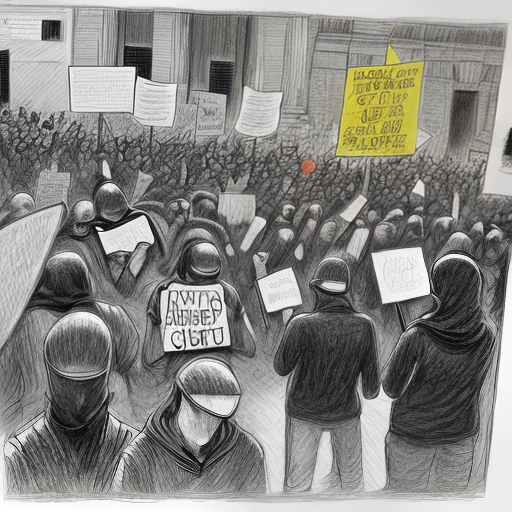
Non-violent resistance takes many shapes, from peaceful protests and sit-ins to civil disobedience and boycotts. These tactics can garner public support and bring attention to the cause while avoiding unnecessary harm to innocent civilians.
Furthermore, non-violent resistance allows the movement to maintain the moral high ground and legitimacy, putting pressure on the state to respond and potentially forcing them to concede to the movement’s demands.
In conclusion, the decision to use violence in revolutionary struggles is a complex issue that requires a nuanced understanding of the various contexts and dynamics at play. While violence may be necessary in some situations, it’s important to consider the ethical implications and potential harm to innocent civilians. Non-violent resistance should also be considered as a highly effective tool for bringing about change. By analyzing these different layers, we can gain a deeper understanding of this important topic.
