Climbing Culture: The Community and the Camaraderie in Mountain Climbing 🧗♀️
Welcome to the world of mountain climbing! Climbing mountains is one of the most thrilling and awe-inspiring experiences one can have. The mountains offer not only scenic views but also countless challenges for those who dare to conquer their peaks. But what many people don’t realize is that the climbing culture is just as important as the climb itself. To become a successful climber, one must embrace the community and camaraderie in mountain climbing.
What is Climbing Culture? 🏔️
Climbing culture is the set of social norms, customs, and traditions that govern interactions between climbers in the mountain climbing community. This culture is essential because it creates a sense of belonging and a shared identity among climbers. It is a culture of mutual respect for each other, the mountains, and the environment.
The Importance of Community in Mountain Climbing 🤝
Mountain climbing is not a solo sport; it is a team effort. The climbing community is a tight-knit group of like-minded individuals who share a passion for climbing. Joining a climbing community is important because it allows you to learn from more experienced climbers, gain the skills necessary to be a successful climber, and have people to share your experiences with.
One of the benefits of joining a climbing community is that it provides a safety net for less experienced climbers. Climbing is inherently dangerous, and having a group of people to climb with can make the sport safer. When climber’s work together, they can help each other avoid dangerous situations, provide support when needed, and help each other with rescue and evacuation.
The Camaraderie in Mountain Climbing 🌟
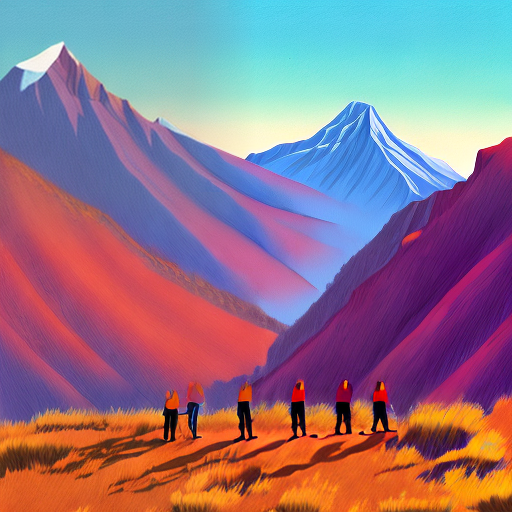
The camaraderie in mountain climbing is a special bond that forms between climbers. Climbing is a difficult and demanding sport that requires physical endurance, mental toughness, and teamwork. Climbing with others creates a sense of shared struggle and accomplishment, which brings people together in a way that few activities can.
The camaraderie in mountain climbing is more than just a sense of belonging; it is about teamwork and mutual support. When climbers work together, they share the burden of the climb, providing assistance when needed, and sharing in the challenges and the successes.
Climbing Ethics and Etiquette 🤔
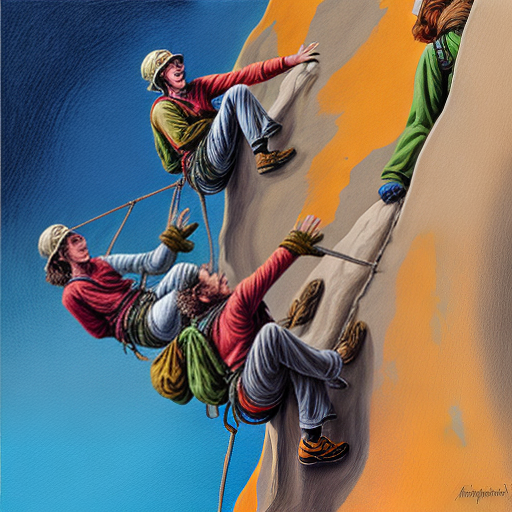
One of the most important aspects of climbing culture is climbing ethics and etiquette. These guidelines help climbers stay safe, protect the environment, and respect the community. There are many aspects to climbing ethics and etiquette, but a few key principles are:
- Leave No Trace: leave the area you are climbing in as you found it and do not leave anything behind.
- Respect the Environment: do not disturb the environment or its inhabitants while climbing.
- Respect Other Climbers: be mindful of other climbers and their personal space, and follow established routes and procedures for climbing.
By following these climbing ethics and etiquette, we can ensure that mountain climbing is a safe and sustainable activity for generations to come.
Conclusion 🏁
Mountain climbing is a unique and exciting sport that brings people together through a shared love of adventure, challenge, and beauty. The climbing culture is an essential part of mountain climbing, providing a sense of community, camaraderie, and respect for the environment. We hope that this blog has given you an insight into the importance of climbing culture and has inspired you to join the climbing community and experience the thrills and rewards of mountain climbing.
