How to Mitigate Workplace Slip and Fall Risks through Employee Trainings and Safety Programs 😎
Slip and fall accidents are among the most common workplace incidents that can cause serious injuries. They can occur in almost any type of workplace, from offices to factories, and have the potential to impact any employee. To prevent such accidents from happening, employers must take proactive steps to mitigate slip and fall risks through employee training and safety programs.
In this blog, we will go over some essential tips on how to mitigate slip and fall risks at the workplace through employee trainings and safety programs. 🚶♂️💥
1. Conduct Regular Workplace Inspections 👀
One of the most effective ways to mitigate slip and fall risks is to conduct regular workplace inspections. Inspections can help identify potential hazards and allow employers to take timely action. Employers can also involve employees in the inspection process, as they are familiar with the workplace and can provide valuable insights.
During inspections, employers should look out for hazards such as wet or slippery floors, uneven surfaces, unmarked obstructions, and poor lighting. They should also check if the walkways are free from clutter and obstacles. If they detect any hazards, they should take prompt action to address them.

2. Implement Safety Policies and Procedures 📜
Proper safety policies and procedures can help prevent slip and fall accidents in the workplace. Employers should ensure that their employees are aware of these policies and procedures and trained to follow them. The policies and procedures should cover areas such as proper footwear, cleaning and maintenance, and emergency protocols.
Employees should be encouraged to report any hazards they encounter in the workplace. They should also be trained to use equipment like ladders and handrails properly to prevent accidents. Employers should also make sure that the workplace is properly equipped with safety features like non-slip mats and warning signs.

3. Train Employees on Slip and Fall Prevention 🧑🏫
Employee training is a crucial aspect of preventing slip and fall accidents in the workplace. Employers should regularly conduct employee training on slip and fall prevention measures. This training should cover topics like identifying potential hazards, proper footwear, and how to respond to accidents.
Training should also be extended to cover proper posture and body mechanics during work, as these can also contribute to accidents. Employees should be encouraged to ask questions and participate in training to reinforce their learning.
4. Encourage Open Communication and Feedback 🔊
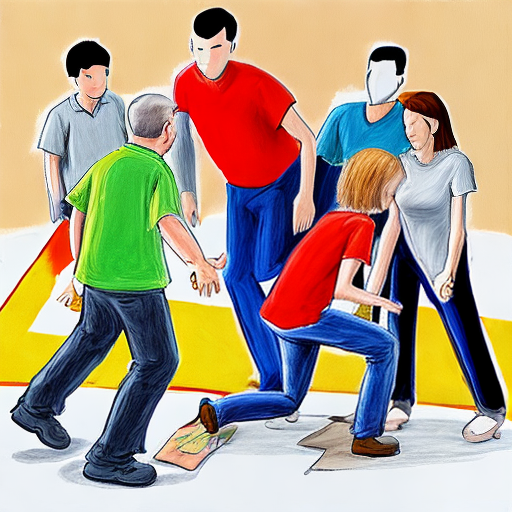
To prevent slip and fall accidents, employers must encourage open communication and feedback from employees. Employees should feel comfortable reporting any hazards or unsafe practices they observe in their workplace. Employers should also take such reports seriously and take prompt action to address them.
Employers can also establish a safety committee or designate a safety officer to oversee safety practices in the workplace. The committee or safety officer can provide a channel for employees to raise concerns and offer suggestions for improvement.
Conclusion 🤝
Preventing slip and fall accidents in the workplace is the responsibility of both employers and employees. Implementing proper safety policies, procedures, and training programs can help mitigate the risk of such accidents. Regular workplace inspections and open communication and feedback can also ensure that risks are identified and addressed in a timely manner.
By following these tips, employees can help create a safe and healthy workplace for everyone. 🧡
