The Intersection of Diversity and Imposter Syndrome: Navigating Identity and Belonging 🌈💪
Hey there, fellow humans! It’s your compassionate and curious blogger speaking, and today’s topic is one that affects so many of us in our personal and professional lives: Imposter Syndrome.
But wait, there’s more! We’re also going to explore how Imposter Syndrome intersects with diversity, and how we can navigate our identity and sense of belonging in a world that can be, let’s face it, pretty darn challenging.
So grab a cup of your favorite beverage, get comfortable, and let’s dive in! 🌊👀
Imposter Syndrome: What It Is and Why It Matters 🤔📚
First things first: What exactly is Imposter Syndrome? At its core, Imposter Syndrome is the feeling that you’re a fraud, that you don’t deserve your successes, and that any minute now, everyone will figure out that you’re not as smart/talented/qualified as they thought. 😖😰
It’s a scary and isolating experience, and it’s one that affects people from all walks of life, regardless of their background, education, or achievements. In fact, Imposter Syndrome can be particularly prevalent in high-achieving individuals who feel the pressure to live up to their own and others’ expectations. Sound familiar? 🤔📈
But why does Imposter Syndrome matter? Well, for one, it can lead to a self-fulfilling prophecy where you doubt your abilities and thus hold yourself back from pursuing your goals and passions. It can also affect your mental health, relationships, and overall quality of life. 😔😞
So how can we combat Imposter Syndrome and reclaim our sense of worth and self-esteem? Keep reading! 💪🙌

Diversity and Imposter Syndrome: The Intersectionality of Our Identities 🌈🤝
Now, let’s talk about how Imposter Syndrome intersects with diversity, equity and inclusion. As we strive to create more welcoming and inclusive environments, it’s important to recognize that our diverse identities (e.g., race, gender, sexuality, ability, class, etc.) can all impact the ways we experience Imposter Syndrome. 🌟👥
For example, folks from underrepresented groups may be more likely to feel like they don’t belong or don’t deserve their seat at the table, which can further exacerbate Imposter Syndrome. Conversely, individuals from privileged backgrounds may feel like they don’t deserve their advantages or may struggle to empathize with those who don’t have the same privileges. 🤔🌍
It’s also important to acknowledge that different contexts can trigger or challenge our Imposter Syndrome in different ways. For example, if you’re the only person of color in a predominantly white workplace, you may feel like you have to constantly prove your worth and expertise, which can take a toll on your mental health. On the other hand, if you’re in a diverse and supportive community where your voice is valued, you may feel more empowered and confident. 🎉🗣️
So what does this all mean for how we can address Imposter Syndrome in diverse contexts? It means that we need to be aware of our own and others’ identities and experiences, and work together to create environments that foster belonging, equity, and empathy. It also means that we need to be mindful of the ways we may unintentionally contribute to others’ feelings of Imposter Syndrome, and seek to challenge our own biases and assumptions. 🌟🤝
Navigating Imposter Syndrome and Building Belonging: Strategies and Tips 🛣️💡
So, if you’re reading this and nodding your head in agreement, feeling seen and heard, what can you do next to combat your Imposter Syndrome and build a stronger sense of identity and belonging? Here are some tips and strategies to get you started: 🚀👀
-
Practice self-compassion and challenge your own negative self-talk. Remember that you are not alone in feeling like a fraud, and that it’s okay to make mistakes and learn from them. Try to focus on your strengths and accomplishments, and recognize that you deserve to be where you are. 💪💕
-
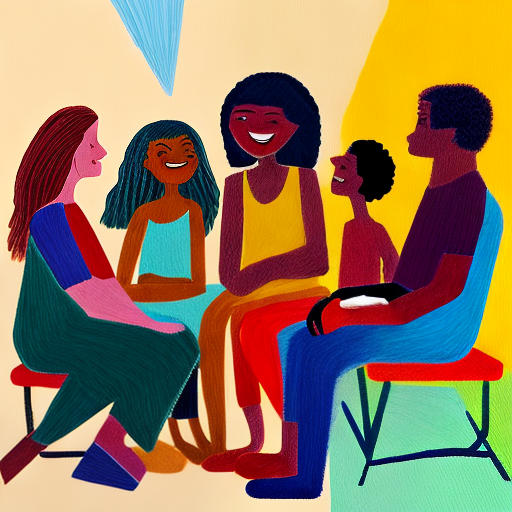
Find a support system, whether that’s a mentor, a therapist, or a community group that shares your values and identities. Having people who can validate your experiences and provide a sounding board can be incredibly empowering and help you feel less alone. 🤝🗣️
-
Take care of your mental and physical health, whether that’s through exercise, mindfulness, or getting enough sleep. Feeling good in your own body can help boost your self-esteem and sense of well-being. 🧘♀️💆♂️
-
Seek out opportunities to learn and grow, whether that’s through taking a class, attending a conference, or seeking feedback from your peers. Challenging yourself to step outside of your comfort zone can help you build confidence and expand your skillset. 📚🤓
-
Finally, remember that creating a sense of belonging and community is an ongoing process, and that it takes intentional effort and a willingness to learn from both our successes and failures. Keep showing up, keep supporting others, and keep believing in yourself. You got this! 🌟🌈

So there you have it, dear readers. We’ve explored the complex and intersectional nature of Imposter Syndrome and how it relates to diversity and belonging. We’ve also shared some strategies and tips for how to combat Imposter Syndrome and build a stronger sense of identity and community.
Remember, you are not alone in your experiences, and there is no shame in seeking help and support. Keep being your authentic and valuable self, and know that you are deserving of all the successes and joys that come your way. 💖💪
