Gratitude as a Tool for Mindful Eating: How Appreciation Can Improve Your Relationship with Food 😊🍏🙏
Have you ever eaten something delicious, but barely tasted it because you were distracted by something else? Or maybe you’ve found yourself mindlessly munching on snacks while binge-watching your favorite show. We’ve all been there! But what if we told you that practicing gratitude can improve your relationship with food and help you become more mindful about what you eat? Here’s how!
Understanding Mindful Eating 🍴🧘♀️
Mindful eating is the practice of paying attention to our food and the experience of eating it. It involves using all of our senses to fully experience our food, and being present in the moment while we eat. When we practice mindful eating, we can better tune in to our hunger and fullness signals, and make choices that support our well-being.

The Benefits of Cultivating Gratitude in Your Relationship with Food 🙏🥕
Gratitude is the art of recognizing and appreciating the good things in our lives. When we apply this mindset to our relationship with food, we can notice the abundance of healthy and delicious options available to us, and feel more satisfied and content with our choices. Cultivating gratitude in our relationship with food may also lead to:
- More positive emotions around food
- Greater awareness of our food choices
- Increased satisfaction and enjoyment of meals
- Improved digestion and nutrient absorption
- A stronger connection with our body’s needs
Practicing Gratitude in Your Eating Habits 🍽️💭
So, how can we apply gratitude to our eating habits? Here are some tips to get started:
1. Give thanks before eating 🙏🍴
Taking a moment to express gratitude before a meal can help us connect with our food and acknowledge the many hands that brought it to our plate. Try saying a quick thank you, taking a deep breath, or even saying grace if it aligns with your beliefs.
2. Practice mindful eating 🧘♀️🍎
As we mentioned earlier, mindful eating is all about paying attention to our food and the experience of eating it. This means using all our senses to fully engage with our food, and being present in the moment while we eat. Try setting aside distractions, taking slower bites, and really savoring the flavors and textures of your food.
3. Focus on abundance 🍇🥗
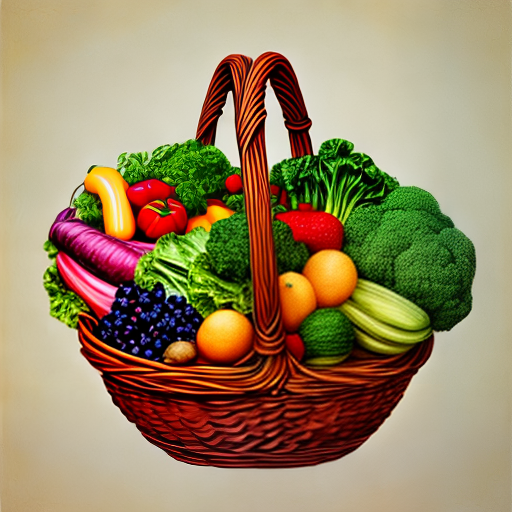
Instead of focusing on all the foods you can’t or shouldn’t eat, try to shift your mindset to focus on the abundance of healthy and delicious foods that are available to you. Celebrate the vibrant colors, textures, and flavors of whole foods, and experiment with new recipes and ingredients.
4. Reflect on your meals 🤔🍽️
Taking a moment to reflect on our meals can help us stay mindful of our food choices and appreciate the impact they have on our well-being. After a meal, take a few moments to reflect on how the food made you feel, or jot down some notes in a food journal.

Conclusion 🤗🍇
Gratitude is a powerful tool that can help us improve our relationship with food and become more mindful eaters. By acknowledging the abundance of healthy and delicious options available to us, and practicing mindful eating habits, we can better tune in to our body’s needs and nourish ourselves in a way that supports our overall well-being.

So take a deep breath, give thanks, and savor each bite - with gratitude and mindfulness, every meal can be a delightful experience! 🌟🍴🙏