The Evolution of Action Figure Designs: From the 70s to Now
👋 Hey there! Are you a fan of action figures? Whether you are a collector, an enthusiast, or just a casual admirer, this blog post is for you! In this article, we’ll take a journey through time and explore the evolution of action figure designs from the 70s to now. So sit back, relax, and enjoy the ride! 🚀
The 70s: The Birth of Action Figures
The 70s was the decade when action figures made their debut in the toy industry. The term “action figure” was coined by Hasbro in 1964 to market their line of G.I. Joe dolls. However, it wasn’t until the 70s when action figures took off as a popular toy for boys.
Action figures in the 70s were mostly military-themed, with G.I. Joe as the face of the genre. These figures were often made of hard plastic and measured around 12 inches tall. They had limited articulation, with only a few points of movement, but that didn’t stop kids from using their imagination to create epic adventures.
The 80s: The Rise of Pop Culture
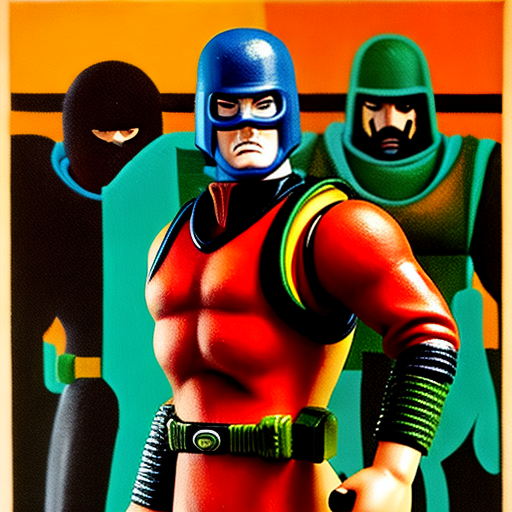
The 80s was the decade when action figures expanded beyond military themes and entered the realm of pop culture. With the success of Star Wars in 1977, action figures based on movies, TV shows, and comic books became a massive hit.
Action figures in the 80s were smaller in size, around 3.75 inches tall, and made of softer plastic. They had more articulation, with multiple points of movement, allowing for more dynamic play and posing. This decade also saw the birth of the action figure accessory, with characters coming with various weapons, vehicles, and playsets.
The 90s: The Age of Detail
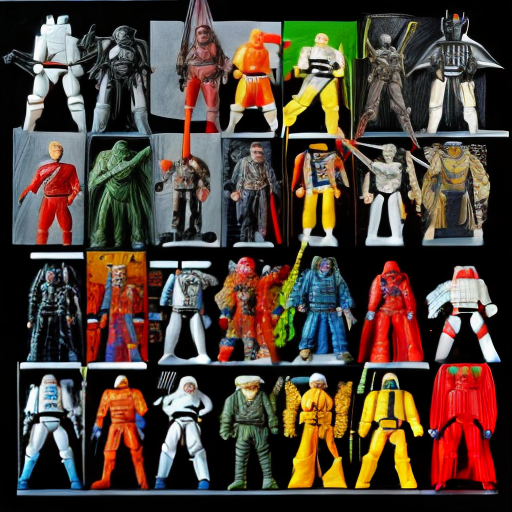
The 90s was the decade when action figures became more detailed and realistic-looking. With the help of advancements in technology, manufacturers were able to create figures that looked like miniature versions of their on-screen counterparts.
Action figures in the 90s were still around 3.75 inches tall, but their sculpting was more intricate, with more articulation points and better paint jobs. This decade also saw the rise of the collectible action figure, with limited edition figures and variants becoming highly sought after by collectors.
The 2000s: The Era of Articulation
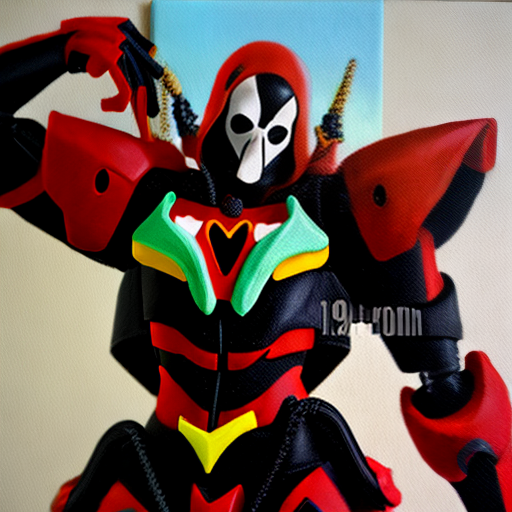
The 2000s was the decade when articulation became a top priority for action figure designers. With the rise of online fan communities and the popularity of stop-motion animation, manufacturers realized that their customers wanted figures that could move and pose in almost any way they desired.
Action figures in the 2000s were bigger in size, ranging from 4-7 inches, and had even more articulation points than previous decades. The quality of paint jobs and sculpting also continued to improve, with figures becoming more detailed and realistic-looking than ever before.
Now: The Age of Diversity
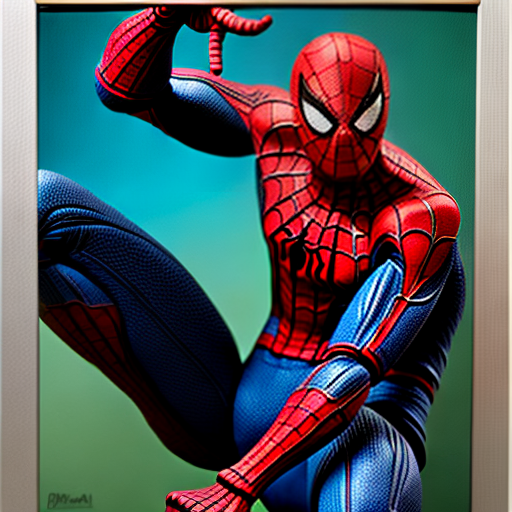
Today, action figures continue to evolve and adapt to the changing times. Manufacturers now recognize the importance of diversity and representation in their figures, with characters from all backgrounds and walks of life being made into action figures.
Action figures today come in all shapes and sizes, with different levels of articulation and detail. They cover a wide range of genres, including superheroes, sci-fi, horror, and more. Manufacturers have also started incorporating new technologies, such as augmented reality and digital action figures, into their product lines.

🎉 Congratulations, you made it to the end of the article! We hope you enjoyed learning about the evolution of action figure designs from the 70s to now. Have a favorite decade or action figure? Let us know in the comments below! 👇
Image Description of the Blog
An image of a display case filled with action figures from different decades, with the blog title overlayed on top. The image showcases the diversity and evolution of action figures throughout the years.