RADON GAS: A HIDDEN DANGER AT HOME?
We all want our homes to be a haven of comfort, a place of refuge away from the chaos of the world outside. And that’s why we invest huge sums of money in building and maintaining our homes. But could we be exposing ourselves and our loved ones to a deadly gas without even realizing it? That’s the threat posed by radon- a colorless, odorless, and tasteless gas that is prevalent in many homes across the US and around the world.
In this blog, we’ll explore the impact of radon on home inspections and indoor air quality, and provide some insights into what you can do to safeguard your home against this lurking danger.
##What is Radon Gas? 💨
Radon is a naturally occurring radioactive gas that is produced by the decay of uranium and thorium in the soil, rock, and water beneath our homes. It seeps up through the ground and can enter indoor spaces through cracks and gaps in the foundation, walls, and floors, as well as through pipes and drains.
It’s estimated that around 1 in 15 US homes has elevated levels of radon. That’s alarming because radon is the leading cause of lung cancer in nonsmokers and the second-leading cause of lung cancer overall, according to the EPA. It’s responsible for over 20,000 lung cancer deaths in the US each year.
##Why is Radon a Problem? 🤔
The main problem with radon is that it’s carcinogenic- it can cause cancer. When radon gas is inhaled, it decays into tiny radioactive particles that can lodge in the lungs and damage the DNA of lung cells. Over time, this can lead to the development of cancerous cells. The risk of lung cancer from radon exposure depends on the level of exposure and the duration of exposure. The longer the exposure, the higher the risk.
##The Impact of Radon on Home Inspections 🏡
During a home inspection, a qualified inspector will check for the presence of radon gas using specialized equipment. The EPA recommends that all homes be tested for radon, regardless of their location or age. Testing is the only way to know if your home has elevated levels of radon because there are no signs or symptoms of exposure- only testing can tell you if radon is present.
If radon is detected at unsafe levels, the inspector may recommend steps to mitigate the gas. This could include sealing cracks or gaps in the foundation, installing a radon mitigation system, or ventilating the home to reduce the concentration of radon gas.
##The Impact of Radon on Indoor Air Quality 🌬️
Indoor air quality is a critical aspect of home health and safety. Radon gas is an invisible threat that can have a significant impact on the quality of the air inside your home. The higher the levels of radon, the greater the risk of exposure and the more important it is to take steps to mitigate the gas.
Mitigating radon in your home can improve indoor air quality and reduce the risk of lung cancer. Aside from radon, there are other measures you can take to ensure better indoor air quality, such as using air purifiers and regularly replacing air filters.
##How to Safeguard Your Home Against Radon 🛡️
There are some simple steps you can take to protect yourself and your family from the dangers of radon exposure:
- Test your home for radon- you can buy a radon test kit online or at a hardware store.
- Mitigate the gas if elevated levels are detected- hire a professional to install a radon mitigation system or seal cracks in the foundation.
- Ventilate the home- open windows and use fans to circulate air and reduce the concentration of radon gas.
- Maintain healthy indoor air quality- use air purifiers, replace air filters, and avoid smoking indoors.
##Conclusion 🏁
Radon gas is a serious threat to home health and safety. It’s essential that homeowners take steps to test for and mitigate radon to prevent exposure and reduce the risk of lung cancer. By following some simple steps, you can safeguard your home against this hidden danger and ensure that the air inside your home is clean and healthy for you and your family to breathe.

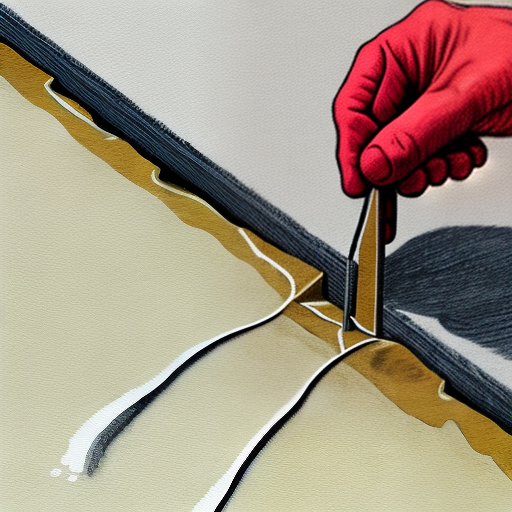


##Blog Image Description:
The image for this blog could be a picture of a cozy home interior, with an overlay of a radioactive symbol to emphasize the hidden threat of radon gas.