🧒How Childhood Experiences Affect Your Attachment Style 🤗
Hi there! Welcome to this blog where we will be discussing how childhood experiences can impact attachment style. So, you might be asking, what is an attachment style? Well, an attachment style is the way we think, feel, and behave in our relationships with others which typically develops in childhood. Biologically speaking, humans are wired to form a secure attachment to their primary caregiver but life experiences can shape attachment styles in other ways.
Let’s dive into the different ways childhood experiences can affect attachment style. 😊
💔Insecure Attachment Styles
🔍Anxious Attachment
An anxious attachment style can develop when the caregiver is inconsistent in their responses to the child’s needs. This can leave the child feeling unsure about when they will receive love and comfort. As a result, individuals with an anxious attachment style often fear abandonment and rejection and may become clingy or overly dependent on their partners.
🚶Avoidant Attachment
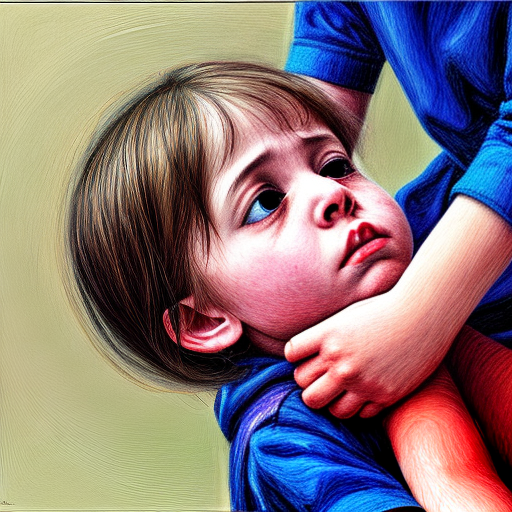
An avoidant attachment style can develop when the caregiver is emotionally unavailable to the child. This can lead the child to feel like their needs don’t matter and to distance themselves from others in order to avoid rejection. Individuals with an avoidant attachment style may struggle with intimacy and may even sabotage their relationships to protect themselves from getting hurt.

❤️Secure Attachment Style
A secure attachment style can develop when the caregiver consistently responds to the child’s needs and provides a safe and nurturing environment. Individuals with a secure attachment style feel confident in their relationships and are able to communicate their emotions effectively. They are generally more resilient in the face of challenges and are able to form healthy, supportive relationships.

💡Tips for Finding Secure Attachment
If you are looking to develop a more secure attachment style, here are some tips that might help:
- Seek therapy to explore and work through past traumas and relationship patterns
- Be mindful of your feelings and try to express them openly and honestly to your partner
- Practice empathy and active listening in your relationships
- Understand that relationships will have ups and downs and that disagreements and conflicts are a normal part of any relationship
- Surround yourself with positive, supportive people who lift you up and encourage growth

🌟Conclusion
It’s important to remember that attachment styles are not set in stone and can change over time with intentional self-reflection and growth. However, understanding your own attachment style and the impact of your childhood experiences can help you navigate your relationships with greater understanding and confidence. As always, be kind to yourself and patient with the process. 💕
