Mindful Meditation for Beginners: A Step-by-Step Guide to Daily Practice
Welcome, beautiful souls! Today, we’re going to talk about mindful meditation, an ancient practice that can be an excellent tool for reducing stress and anxiety. Mindful meditation doesn’t require any equipment, and it’s accessible to everyone. In this guide, I’ll walk you through the basics of mindful meditation and give you practical tips to start meditating today.
What is Mindful Meditation?
Mindful meditation is a technique to help you focus on the present moment, without judgment. It can help you become aware of your thoughts, emotions, and physical sensations. The goal is to increase your consciousness, without reacting to them. This skill can help you manage stress and anxiety, and live in the moment with greater clarity and peace.
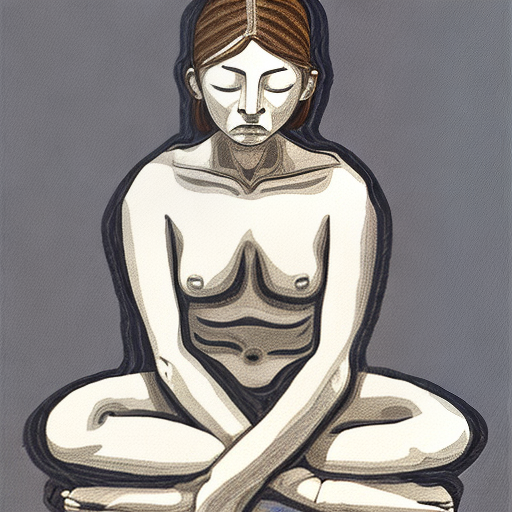
Finding a Quiet Space
Find a quiet space where you can meditate with minimal distractions. If you’re not at home, try to find a space where you can sit comfortably and place your feet on the ground. If you’re at home, consider setting up a corner with cushions or a chair.
Sit Comfortably
When you’re ready, sit in a comfortable meditative posture. Many people prefer to sit cross-legged with their hands resting on their knees. You can also sit in a chair with your feet firmly planted on the ground. Keep your back straight, but not rigid, and your shoulders relaxed.
Focus on Your Breath
The next step is to focus on your breath. Take deep breaths in through your nose and exhale through your mouth. Try to clear your mind and focus on the sensation of the air flowing in and out of your lungs. If your mind begins to wander, gently guide it back to your breath.
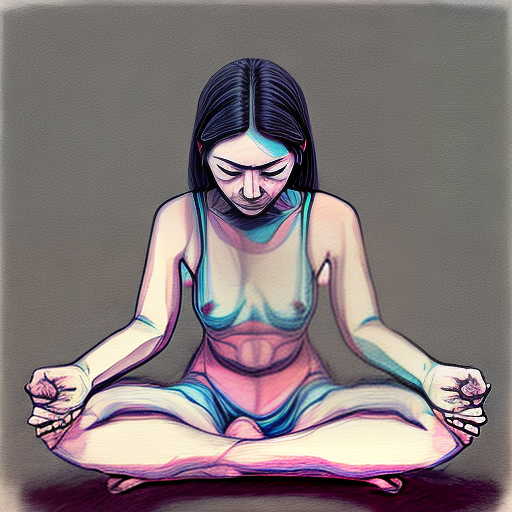
Stay Present
Your mind may begin to wander, and that’s okay. When it does, gently guide it back to your breath. Avoid getting lost in thoughts or emotions. Remember, the goal of mindful meditation is to observe and be present in the moment.

Continue Daily
Consistency is key when it comes to meditation. Aim to meditate for 10-20 minutes each day. If that’s too long, you can start with a shorter amount of time and gradually increase it. Find a time of day that works best for you and make mindful meditation a daily habit.

Conclusion
Mindful meditation can be a powerful tool to help reduce stress and anxiety. By finding a quiet space, sitting comfortably, focusing on your breath, staying present, and making it a daily habit, you can begin to experience the many benefits of meditation. Remember, there is no right or wrong way to meditate. Find what works best for you and stick with it. Namaste!
