The Cultural Differences in Nonverbal Cues: How to Navigate Cross-Cultural Communication
👋 Hey there! Welcome to my blog where we will dive into the topic of cultural differences in nonverbal cues and how to navigate cross-cultural communication. As someone who has travelled around the world and worked with people from various cultural backgrounds, I have learned that there are certain nonverbal cues that can differ from one culture to another. Understanding these differences can help avoid miscommunication and build stronger relationships.
👀 Eye Contact
In some cultures, eye contact is seen as a sign of respect and engagement, while in others, it can be seen as confrontational or even disrespectful. For example, in Western cultures, it is important to maintain eye contact during a conversation to show interest and respect. However, in some Asian cultures, avoiding eye contact is a sign of respect and humility.
💡Tip: When in doubt, observe the cultural norms of the people you are interacting with and adjust your behavior accordingly.

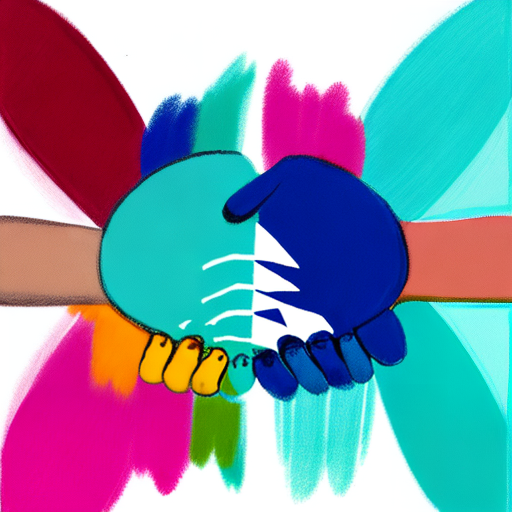
🤝 Handshakes
Handshakes are a common form of greeting and introduction in many cultures, but the specific way of handshake can vary. For example, in some cultures, a firm handshake is seen as a sign of confidence and strength, while in others, a softer grip is preferred.
💡Tip: If you are unsure how to shake someone’s hand, observe how others in the culture greet one another or simply ask the person you are meeting how they prefer to shake hands.
🙌 Body Language
Body language can convey a lot of information about a person’s emotions and intentions, but it can also be interpreted differently in different cultures. For example, in some cultures, standing too close to someone during a conversation is seen as invasive, while in other cultures, physical touch is common during conversations.
💡Tip: Be aware of your own body language and how it may be perceived in other cultures. It can also be helpful to observe the body language of those around you to better understand their perspective.

🎁 Gift Giving
Gift giving is a common practice in many cultures, but the etiquette surrounding it can vary. In some cultures, it is expected to bring a gift when visiting someone’s home, while in other cultures, it may be seen as unnecessary or even impolite.
💡Tip: If you plan on giving a gift, do some research beforehand to understand the cultural norms surrounding gift giving. It is also important to consider the appropriateness of the gift and avoid giving anything that may be considered offensive.

🗣️ Tone of Voice
The tone of voice used during conversations can also differ between cultures. For example, in some cultures, speaking loudly and assertively is normal, while in others, a softer tone is preferred.
💡Tip: Pay attention to the tone of voice used by those around you and adjust your own tone accordingly. It is also important to be mindful of any cultural differences in the speaking volume and pace.

🌍 In conclusion, cross-cultural communication can be challenging, but understanding the cultural differences in nonverbal cues can help bridge the gap. By being aware of these differences and adjusting our behavior accordingly, we can build stronger relationships and avoid misunderstandings.
