Innovative Design for a Sustainable Future: Technological Advances in Green Technology 🌿🌍
Hello there, eco-lovers! Are you ready to dive into the amazing world of green technology and sustainable design? In this blog, we’ll explore the latest technological advances in the world of sustainability. From biodegradable materials and energy-efficient buildings to solar panels and electric vehicles, we’ll cover it all! So, let’s get started! 🚀
Biodegradable Materials 🍃
One of the biggest challenges we face today is the disposal of non-biodegradable waste. Fortunately, green technology has come to our rescue with a range of biodegradable materials. From biodegradable plastics made from cornstarch and algae to biodegradable building materials such as hempcrete and clay plaster, these materials ensure that waste is not only reduced but also transformed into usable compost.

Energy-Efficient Buildings 🏠
Buildings account for almost 40% of global energy consumption, so it’s imperative to design them to be as energy-efficient as possible. This is where green technology comes in. Modern-day architects and engineers are designing buildings that use passive energy systems such as natural ventilation and daylighting. Furthermore, a range of cutting-edge technologies such as smart thermostats, energy-efficient lighting, and solar-powered heating systems is helping to reduce energy consumption even further.

Solar Panels ☀️
Speaking of solar-powered systems, solar panels are possibly one of the most widely recognized examples of green technology. They work by converting sunlight into electricity, which can then be used to power homes and businesses. With the advent of newer technologies, the efficiency and affordability of solar panels have significantly improved. This has led to the widespread adoption of this technology in almost every corner of the world.

Electric Vehicles ⚡️🚗
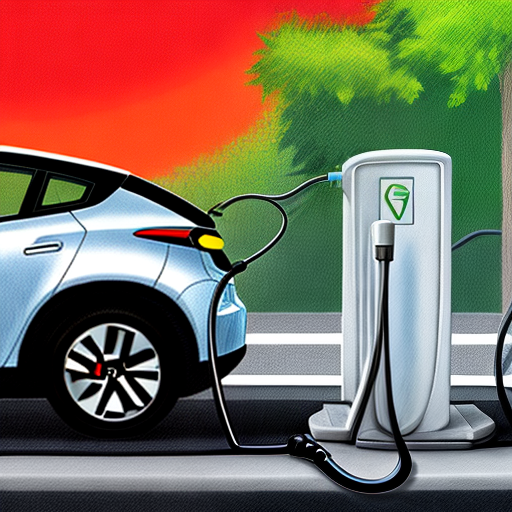
Transportation is another sector that is increasingly adopting green technology. Electric vehicles (EVs) are becoming more common thanks to their eco-friendliness and affordability. EVs are powered by rechargeable batteries that can be charged at charging stations. These batteries store energy that is used to power the vehicle, instead of relying on conventional fossil fuels. Not to mention, EVs produce zero emissions.
Recycling and Upcycling 🔄
Recycling and upcycling play a vital role in sustainable design. Recycling involves converting waste materials into new products, while upcycling involves transforming waste materials into higher-value products. Both of these processes help to reduce waste and promote a circular economy. With the help of advanced technologies, it’s now possible to convert waste materials such as plastic bottles and scrap metal into new products like shoes, furniture, and even art pieces.

Conclusion 🌳
So, there you have it, a brief tour of sustainable design and green technology. With the world becoming increasingly aware of sustainability issues, we need to embrace these technologies and adapt our lifestyles to reduce our environmental footprint. By making small changes, such as using biodegradable products or opting for solar panels, we can contribute to making the world a better place for ourselves and future generations.
