🧑⚕️Virtual Reality in Healthcare: Revolutionizing Patient Care 🏥
As the healthcare industry continues to implement emerging technologies, one innovation that stands out is virtual reality (VR). VR has come a long way from just being a gaming and entertainment tool. Today, it is being used to revolutionize patient care by providing a unique experience for patients, enhancing medical training, and improving the quality of healthcare delivery.
🩺Virtual Reality Patient Care
VR technology creates a virtual environment that can transport a patient to a different place, time, or situation than their current reality. This immersion can be particularly useful for patients who suffer from anxiety, depression, and post-traumatic stress disorder (PTSD). VR can help these patients confront and overcome their fears in a safe and controlled environment. It can also provide distraction therapy for patients who are undergoing medical procedures, such as chemotherapy or dialysis.
Virtual reality also has telemedicine applications, where it can be used to create virtual consultations and appointments. This is especially useful for patients who have mobility challenges or live in remote areas. Virtual consultations can make medical care more accessible and prevent patients from too much travelling, hassle, and exposure to COVID-19.

📚Medical Training and Education
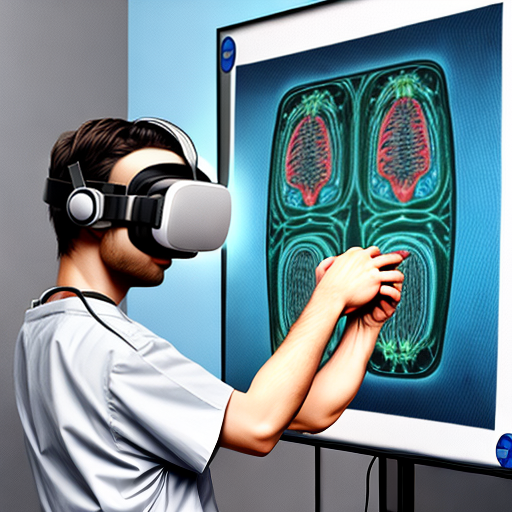
Virtual reality is also revolutionizing medical training. Medical students and residents can benefit from the immersive and realistic VR simulations of surgeries and medical procedures. VR enables them to practice these procedures in a safe and controlled environment without putting patients at risk.
Surgeons can also use VR simulations as a training tool before performing surgeries. They can use these simulations to plan and practice complex surgeries and improve their familiarity with medical equipment and tools.
📈Improving the Quality of Healthcare Delivery
Virtual reality can also help healthcare organizations get more value out of their resources. It can help hospitals and clinics to provide better care while reducing costs. VR can reduce the time patients spend in the hospital, increase the efficiency of medical staff, and reduce the need for specialized equipment.
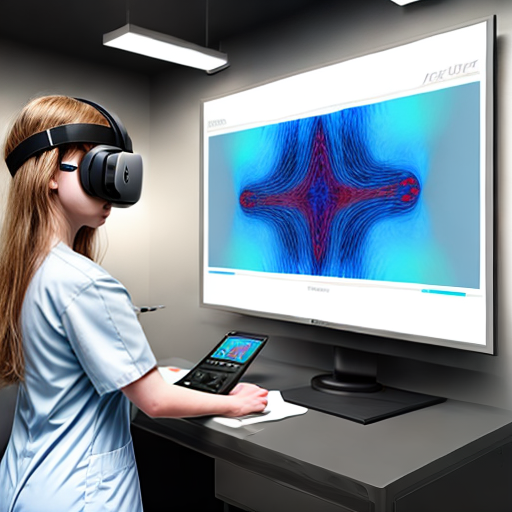
By providing virtual consultations, patients can receive a diagnosis and treatment plan without leaving their house. Healthcare providers can also use VR to monitor patients remotely and provide feedback if any vital data are abnormal. This makes it possible for patients to receive timely interventions, promoting better outcomes.
✨A New Era of Healthcare
Virtual reality is set to revolutionize the healthcare industry as we know it. The technology can help healthcare providers to provide a more comfortable, personalized, and efficient experience for patients. By providing a safe environment for patients, improving medical training, and reducing costs, VR is setting the stage for a new era of healthcare.

Some descriptions of the images go here.
First image: A virtual consultation can help people who cannot visit doctors. Second image: Virtual reality training can help doctors practice surgeries with minimal risks. Third image: VR-powered remote monitoring can help healthcare providers to keep track of patients in real-time. Fourth image: VR can help improve the overall quality of healthcare delivery, making it more accessible and efficient.